.png)


How to Choose a Dental Clinic in São Paulo: Safety, Credentials, and Red Flags

Searching for a dental clinic abroad can feel both exciting and unsettling.
Many patients from the United States consider traveling to Brazil for dental care because of the country’s strong reputation in cosmetic and restorative dentistry. Yet the decision to trust a clinic in another country often comes with very natural questions.

Is the clinic safe?Are the dentists properly trained?How can I know if a clinic is reputable before I travel?
These concerns are valid. Dental treatment requires trust, especially when the patient may be dealing with dental anxiety, previous negative experiences, or complex procedures such as implants or veneers.
The good news is that Brazil, particularly São Paulo, is widely recognized for its advanced dental education and large number of highly trained specialists. The country has one of the largest dental workforces in the world and many dentists receive training at internationally respected universities. (ResearchGate)
However, as in any country, the quality of clinics varies. Knowing how to evaluate safety, credentials, and warning signs can make the difference between a confident decision and a stressful experience.
This guide explains how international patients can carefully choose a dental clinic in São Paulo, Brazil, with a focus on patient safety, professional qualifications, and the signs of a responsible practice.
👉 To see more oral health tips, real stories of overcoming dental fear, and our day to day at BCX Odontologia, follow our Instagram:https://www.instagram.com/bcxodontologia/
Before Your Appointment
Choosing a clinic is the most important decision you will make before traveling for dental care.
Taking time to verify credentials and communication standards can greatly reduce uncertainty.
Understanding How Dentistry Is Regulated in Brazil
Dentists in Brazil must be registered with a professional regulatory body known as the Regional Council of Dentistry(CRO). In the state of São Paulo, this organization is the CROSP.
This registration confirms that the dentist has completed accredited education and is legally authorized to practice dentistry. Patients can verify a dentist’s registration through the public database maintained by the council. (CROSP)
Responsible clinics openly share the dentist’s CRO registration number, which functions similarly to a professional license number in the United States.
Verifying this information is one of the simplest ways to confirm that a dentist is properly credentialed.
Checking Education and Professional Training
Brazil is known for its strong dental education system. Universities such as the University of São Paulo (USP) are internationally respected and contribute significantly to global dental research. (BCX Odontologia)
When reviewing a clinic, it is helpful to look for:
the dentist’s university and postgraduate training
areas of specialization such as implants or prosthodontics
continuing education and international training
participation in professional organizations
Dentistry evolves quickly, especially in fields like digital smile design and implantology. Continuous education often reflects a professional commitment to maintaining high clinical standards.
Evaluating Safety and Clinical Standards
Dental clinics in Brazil must follow strict hygiene and biosafety protocols.
Materials and dental technologies used in clinics are regulated by ANVISA, the Brazilian health surveillance agency responsible for overseeing healthcare products and safety standards. (Medical Tourism Co.)
For patients researching clinics in São Paulo, signs of strong clinical standards include:
modern imaging technologies such as CBCT or 3D scanning
sterilization protocols using autoclaves
clear infection control procedures
detailed treatment planning before procedures begin
These elements indicate that the clinic follows professional healthcare protocols rather than operating informally.

Reviewing Communication Before Travel
A trustworthy clinic prioritizes communication long before the patient arrives.
International patients should expect:
a remote consultation before travel
clear explanation of treatment options
transparent discussion of costs and timelines
answers to questions about travel logistics
Clinics accustomed to treating foreign patients often provide consultations with an English speaking dentist in São Paulo, which helps eliminate misunderstandings during planning.
Planning Logistics in São Paulo
São Paulo is the largest healthcare hub in Brazil and a common destination for dental tourism.
Many clinics that treat international patients are located in areas such as Brooklin in the South Zone, close to business districts, international hotels, and major airports. This location simplifies transportation and scheduling during a treatment visit.
👉 To see more oral health tips, real stories of overcoming dental fear, and our day to day at BCX Odontologia, follow our Instagram:https://www.instagram.com/bcxodontologia/
During Your Appointment
Once you arrive at the clinic, several signals can confirm whether you made a good choice.
A reputable clinic demonstrates professionalism through transparency and patient respect.
Clear Diagnosis Before Treatment
Responsible dentists begin with a complete diagnostic process.
This typically includes:
reviewing medical history
clinical examination
digital imaging or X rays
discussion of treatment alternatives
Dentists should explain not only what they recommend but also why the treatment is necessary.
Patients should feel comfortable asking questions without feeling rushed.
Transparent Treatment Planning
A professional treatment plan should include:
explanation of the diagnosis
different treatment options if available
estimated timeline for procedures
maintenance requirements for long term success
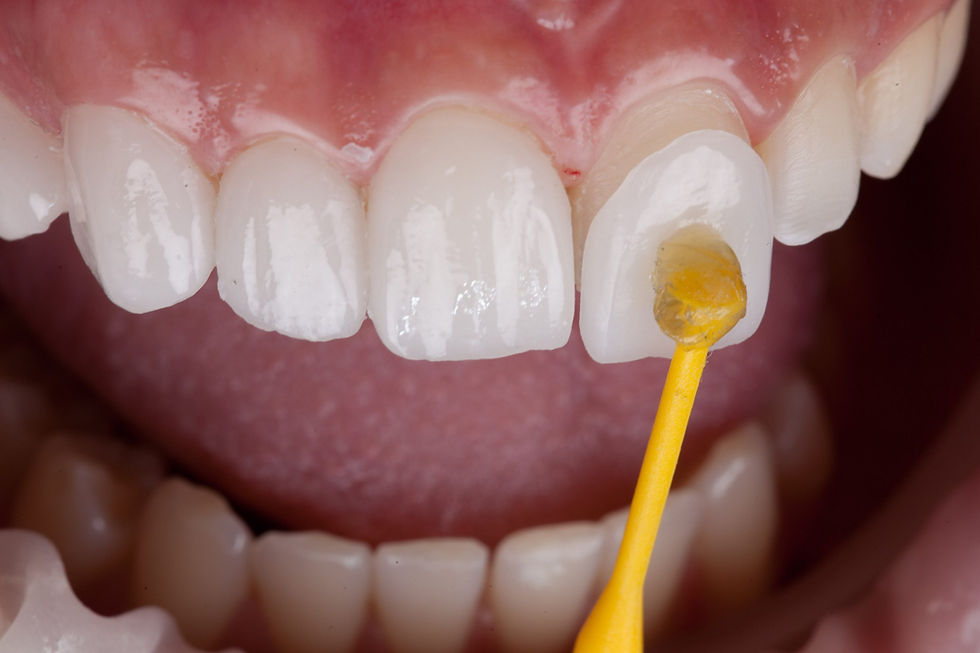
For example, when discussing crowns or veneers, the dentist should explain differences between materials such as lithium disilicate (Emax) and zirconia, including their aesthetic and durability characteristics.
Transparency in these discussions reflects responsible clinical practice.
Respect for Patient Autonomy
Ethical dentistry prioritizes patient autonomy.
This means:
patients receive full explanations before procedures begin
consent forms are discussed clearly
patients can pause treatment if necessary
treatment decisions are collaborative
Patients should never feel pressured to accept treatment immediately.
Comfort and Anxiety Management
Many patients traveling for dental tourism also experience dental anxiety.
Clinics experienced with anxious patients may offer:
slower paced appointments
step by step explanations
calm treatment environments
options such as conscious sedation when appropriate
A clinic that acknowledges patient emotions demonstrates a more human centered approach to care.
After Your Appointment
Even after treatment is completed, responsible clinics continue to support their patients.
Continuity of care is especially important for international patients returning home.

Clear Aftercare Instructions
Patients should receive detailed written guidance that includes:
post treatment hygiene instructions
dietary recommendations
medications when necessary
signs of complications that should be reported
These instructions help ensure safe recovery.
Remote Follow Up for International Patients
Clinics experienced with dental tourism often provide remote follow up.
Patients may send photos of healing areas or participate in short online check ins with their dentist. This helps the clinic monitor healing even after the patient leaves Brazil.
Coordination With Your Dentist at Home
Many patients continue routine maintenance with their dentist in the United States.
A responsible clinic provides documentation that may include:
treatment summaries
radiographs
materials used during procedures
This documentation allows your local dentist to assist with long term maintenance.
Why Careful Selection Matters
Choosing a dental clinic abroad is not only about cost or convenience.
It is about trust, transparency, and safety.
By verifying credentials, evaluating communication, and recognizing warning signs early, patients can make informed decisions and feel confident about receiving dental care in São Paulo, Brazil.
👉 To see more oral health tips, real stories of overcoming dental fear, and our day to day at BCX Odontologia, follow our Instagram:https://www.instagram.com/bcxodontologia/
If you would like more information or to speak with our team on WhatsApp:https://shre.ink/ASio
FAQ
How can I verify a dentist’s credentials in Brazil?
You can check the dentist’s registration number through the Regional Council of Dentistry website. Every licensed dentist must be registered with a regional council such as CROSP in São Paulo. (CROSP)
Is dentistry in Brazil well regulated?
Yes. Dental professionals must be registered with professional councils, and materials and medical technologies are regulated by the Brazilian health authority ANVISA to ensure safety and compliance. (Medical Tourism Co.)
Are Brazilian dentists well trained?
Brazil has a large number of dental schools and produces a significant amount of dental research worldwide. Many dentists receive advanced training in cosmetic and restorative dentistry. (ResearchGate)
Is São Paulo a good destination for dental tourism?
Yes. São Paulo is one of the largest healthcare hubs in Latin America, with modern clinics, advanced dental laboratories, and experienced specialists.
What are red flags when choosing a dental clinic abroad?
Warning signs include pressure to commit quickly, lack of clear credentials, unrealistic promises about results, or refusal to review your dental records before treatment.
How do I know if a clinic treats international patients?
Clinics that frequently treat international patients often offer online consultations, communicate fluently in English, and provide assistance with travel logistics.
Do I need a consultation before traveling to Brazil for dental care?
Yes. A remote consultation helps the dentist review your records, determine whether treatment is appropriate, and plan the timeline for your visit.
Can my dentist in the United States follow my treatment afterward?
Yes. Most clinics provide treatment documentation that your local dentist can use for long term maintenance and follow up care.
How long do international patients usually stay in São Paulo for dental treatment?
Many cosmetic procedures such as veneers or crowns require approximately 7 to 10 days. Implant treatments may involve multiple visits separated by healing time.
Are dental treatments in Brazil cheaper than in the United States?
In many cases, dental treatments in Brazil cost significantly less than in North America while maintaining high quality standards, which is one reason dental tourism continues to grow. (Booking Dentist)
Written by:
Dr. Beatriz Kawamoto
CROSP: 133.746
DDS, University of São Paulo (USP)
Studied Dentistry in Japan, Okayama University
MBA in Management and Innovation, USP DNA


Comentários