.png)


Veneers in Brazil: How to Achieve Natural Results Without Over-Preparing Your Teeth

For many patients considering cosmetic dentistry, veneers represent the possibility of a meaningful transformation.
They can correct discoloration, reshape worn teeth, close gaps, and create a more balanced smile. Yet alongside this excitement, many people also carry a concern that has become increasingly common.

Will my teeth be excessively shaved down?
Stories about overly aggressive tooth preparation have made some patients hesitant to pursue veneers at all. In some cases, patients worry that veneers permanently weaken their teeth or that the treatment will look artificial.
These concerns are understandable.
The truth is that modern aesthetic dentistry has evolved significantly. When veneers are planned responsibly, the goal is not to remove large amounts of tooth structure. Instead, dentists aim to preserve as much natural enamel as possiblewhile enhancing the appearance of the smile.
For patients considering veneers in Brazil, especially in cities like São Paulo, understanding how responsible veneer planning works can help reduce fear and set realistic expectations.
This guide explains how dentists achieve natural looking veneers while protecting the health of the underlying teeth.
👉 To see more oral health tips, real stories of overcoming dental fear, and our day to day at BCX Odontologia, follow our Instagram:https://www.instagram.com/bcxodontologia/
Before Your Appointment
Achieving natural results with veneers begins long before the teeth are prepared.
Careful planning is the foundation of conservative cosmetic dentistry.
Understanding What Veneers Are
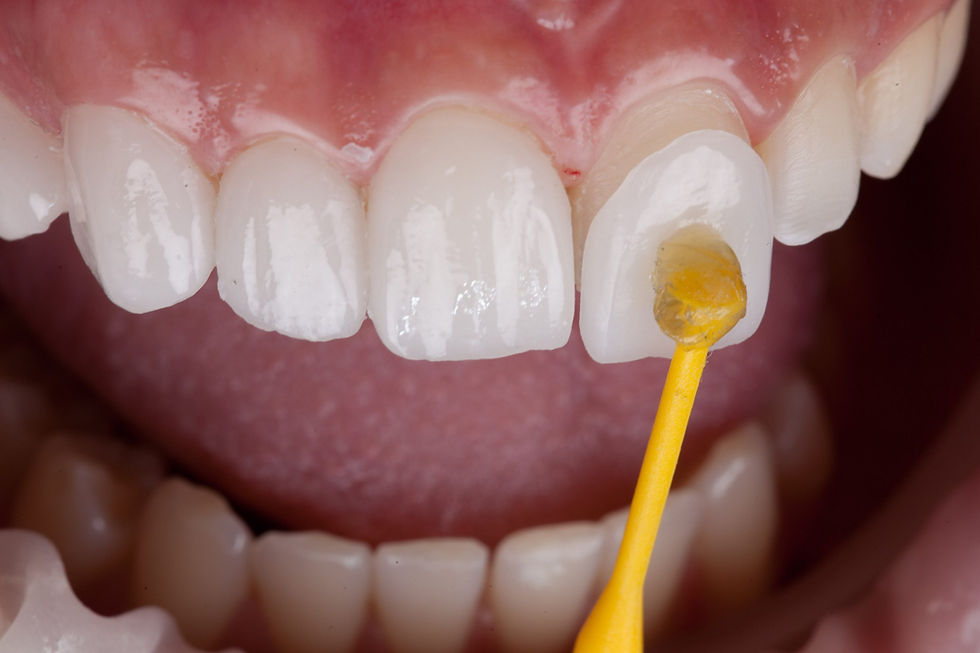
Dental veneers are thin ceramic shells bonded to the front surface of teeth.
They are commonly used to improve:
tooth color
shape and symmetry
minor spacing issues
worn or chipped edges
Unlike crowns, veneers typically cover only the front surface of the tooth rather than the entire structure.
Because of this, preserving enamel is a key priority during treatment.
Why Over-Preparation Happens
Excessive tooth reduction can occur when veneer treatment is planned without proper aesthetic and functional analysis.
Situations that sometimes lead to unnecessary preparation include:
attempting to dramatically change tooth position without orthodontics
trying to mask severe discoloration without proper material planning
using thicker restorative materials that require more space
A responsible treatment plan evaluates whether veneers alone are appropriate or whether other approaches should be considered first.
Digital Smile Planning
Modern veneer treatments often begin with digital smile planning.
Dentists may take photographs and digital scans to analyze:
tooth proportions
smile line
facial symmetry
bite relationship
These images allow both dentist and patient to visualize potential results before any irreversible steps occur.
Digital planning helps ensure that veneers enhance the smile without requiring unnecessary tooth reduction.

Mockups and Previewing the Result
Another important step is the creation of a temporary mockup.
A mockup is a temporary simulation of the final veneers placed directly on the teeth using provisional material. It allows patients to see and feel how their smile may look before permanent treatment begins.
This step helps refine details such as:
tooth length
edge shape
overall harmony with the face
Mockups also guide the dentist in preparing teeth conservatively, because they indicate exactly where space is needed for the final veneer.
Planning Your Treatment in São Paulo
Patients traveling to São Paulo, Brazil for veneers typically complete treatment within about seven to ten days.
During this period, the schedule often includes:
consultation and smile analysis
digital planning and mockup
conservative tooth preparation
laboratory fabrication of veneers
final placement and adjustments
Many international patients choose clinics located in Brooklin in the South Zone of São Paulo, an area known for modern dental offices and proximity to international hotels.
Communicating With an English Speaking Dentist
Clear communication is essential for international patients considering cosmetic treatment.
Clinics experienced with dental tourism often provide consultations with an English speaking dentist in São Paulo, allowing patients to discuss aesthetic expectations and concerns about tooth preparation before traveling.
👉 To see more oral health tips, real stories of overcoming dental fear, and our day to day at BCX Odontologia, follow our Instagram:https://www.instagram.com/bcxodontologia/
During Your Appointment
Once treatment begins, careful technique helps preserve tooth structure while achieving natural aesthetics.
Conservative Tooth Preparation
Modern veneer preparation is often extremely minimal.
In some cases, only a thin layer of enamel is adjusted to create space for the ceramic veneer. When possible, dentists aim to remain within the enamel layer because bonding to enamel is stronger and more predictable than bonding to deeper tooth structures.
The exact amount of preparation depends on:
the original position of the teeth
the thickness of the ceramic material
the planned final shape of the smile
Ceramic Materials Used for Veneers
One of the most commonly used materials for veneers is lithium disilicate ceramic, often referred to as E.max.
This material offers several advantages:
high strength despite thin thickness
natural translucency similar to enamel
excellent bonding to tooth structure
Because the material can be fabricated very thin, dentists often require less tooth preparation compared to older ceramic systems.
Precision Laboratory Work
Dental veneers are fabricated by specialized ceramic technicians.
The technician uses digital scans or impressions to create veneers that fit precisely against the prepared tooth and blend naturally with surrounding teeth.
Small details such as surface texture, color layering, and translucency help veneers look natural rather than artificial.
Final Placement and Bonding
During the final appointment, veneers are bonded permanently to the teeth.
The dentist evaluates:
fit and margins
contact between teeth
color integration with neighboring teeth
bite alignment
Once bonded, veneers become a stable part of the tooth structure.
Maintaining Patient Comfort
For patients with dental anxiety, clinics may offer strategies to make treatment more comfortable. These may include detailed explanations, slower paced appointments, or conscious sedation when appropriate.
A calm and relaxed patient often allows the dentist to work more precisely, which contributes to better aesthetic results.

After Your Appointment
Once veneers are placed, proper care helps maintain both their appearance and longevity.
Daily Care for Veneers
Veneers do not require unusual maintenance.
Patients should continue normal oral hygiene habits such as:
brushing twice daily
flossing between teeth
attending regular dental checkups
Good oral hygiene protects the underlying teeth and gums.
Protecting Veneers From Excessive Force
Although ceramic veneers are durable, certain habits can place unnecessary stress on them.
Examples include:
teeth grinding or clenching
chewing ice or hard objects
using teeth as tools
Dentists often recommend a night guard for patients who grind their teeth.
Follow Up Care After Returning Home
Patients traveling from the United States can usually continue routine dental care with their local dentist.
Clinics providing veneer treatment often supply documentation such as:
treatment summaries
radiographs
details about the ceramic material used
This information allows the patient’s dentist at home to monitor the veneers during regular checkups.
A Realistic Perspective on Veneer Treatment
When veneers are planned carefully and executed conservatively, they can enhance a smile while preserving natural tooth structure.
The goal of modern cosmetic dentistry is not to dramatically alter teeth in a way that looks artificial. Instead, it is to create subtle improvements that look balanced, healthy, and natural within the patient’s face.
👉 To see more oral health tips, real stories of overcoming dental fear, and our day to day at BCX Odontologia, follow our Instagram:https://www.instagram.com/bcxodontologia/
If you would like more information or to speak with our team on WhatsApp:https://shre.ink/ASio
FAQ
Do veneers require shaving down your teeth?
In many cases, veneer preparation is minimal. Dentists often remove only a thin layer of enamel to create space for the ceramic veneer.
Can veneers be placed without removing enamel?
Some veneers can be placed with extremely minimal preparation. However, the exact approach depends on tooth position, bite alignment, and aesthetic goals.
Do veneers damage natural teeth?
When planned responsibly and bonded correctly, veneers do not damage teeth. Maintaining enamel during preparation helps support long term tooth health.
How long do veneers usually last?
With proper care, veneers can last many years. Longevity depends on oral hygiene, bite forces, and regular dental checkups.
Are veneers in Brazil safe?
Yes, when performed by qualified dentists in reputable clinics. Brazil has strong dental education programs and modern dental facilities.
How many days should I stay in São Paulo for veneers?
Most veneer treatments require approximately seven to ten days to allow for planning, laboratory fabrication, and final placement.
Can veneers look natural?
Yes. Modern ceramics such as lithium disilicate allow dentists to create veneers that mimic the translucency and texture of natural enamel.
What happens if a veneer chips or breaks?
If damage occurs, the dentist can evaluate whether the veneer should be repaired or replaced.
Can I eat normally with veneers?
Yes. Once veneers are properly bonded and adjusted, patients can usually return to normal eating habits.
Will my dentist in the United States be able to maintain my veneers?
Yes. Routine dental checkups and cleanings can typically be performed by your dentist at home.
Written by:
Dr. Beatriz Kawamoto
CROSP: 133.746
DDS, University of São Paulo (USP)
Studied Dentistry in Japan, Okayama University
MBA in Management and Innovation, USP DNA


Comentários