


Porcelain Veneers vs Composite Bonding in Brazil: What’s Right for Your Smile and Timeline

When comparing porcelain veneers vs composite bonding, porcelain offers greater durability, stain resistance and color stability, but requires laboratory work and more days. Composite bonding is faster and more conservative, with more maintenance over time. At BCX Odontologia in São Paulo, Brazil, the choice is defined after a clinical exam and smile planning.
Deciding to change your smile is rarely a quick decision. Many people think about it for years, collecting photos, comparing results online and imagining how it would feel to smile without holding back. When the decision includes traveling to Brazil, new questions appear: how many days will I need, which option will still look good in ten years, and how do I know I am choosing what is right for me and not simply what is easier to sell?
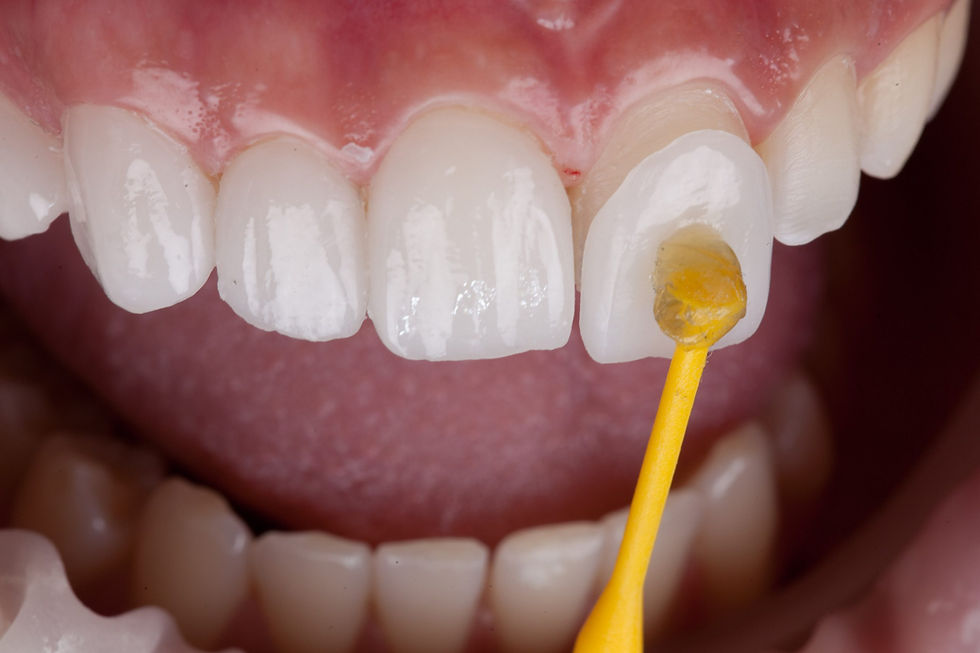
This guide compares porcelain veneers and composite bonding in clear terms: how each one is made, how long each lasts, who is a good candidate, how much time each requires in São Paulo and how to care for the result back home. The goal is to help you arrive at your consultation already understanding your options.
If you would like to know which option makes more sense for your smile and your travel dates, our patient concierge at BCX Odontologia can talk it through with you on WhatsApp.
What is the difference between porcelain veneers and composite bonding?
Porcelain veneers are thin ceramic shells produced in a dental laboratory and bonded to the front surface of the teeth. Composite bonding uses a tooth-colored resin that the dentist sculpts directly on the teeth, layer by layer, in the dental chair. Both can change color, shape, length and proportion, but they behave very differently over time.
How porcelain veneers work
Porcelain veneers are usually made from feldspathic ceramic or lithium disilicate, commonly known as Emax. After planning, the teeth are prepared, often minimally and within the enamel when the case allows, then recorded with a digital scan or impression. The laboratory produces each veneer with individual color and translucency, and the dentist bonds them at a later visit. Porcelain reflects light much like natural enamel and keeps its color and polish for many years.
How composite bonding works
Composite bonding, also called composite veneers when it covers the full front surface, is applied directly to the teeth. In many cases little or no tooth structure is removed. The result can be beautiful in skilled hands, and it has an important advantage: it can be repaired, adjusted or polished in the clinic. Over time, however, composite tends to absorb stains, lose surface shine and chip more easily than porcelain, so it requires periodic maintenance.
Porcelain veneers vs composite bonding: how do they compare?
The right comparison is not which material is better in general, but which one fits your teeth, your habits and your expectations. These are the main differences:
Durability: porcelain veneers generally last longer and resist wear and chipping better; composite usually needs polishing and repairs over the years
Color stability: porcelain does not absorb stains from coffee, wine or tea; composite gradually changes color and shine
Natural appearance: both can look natural, but porcelain maintains its translucency and surface texture for much longer
Tooth preservation: composite is often more conservative and frequently reversible; porcelain usually requires some preparation, though it can be minimal in well planned cases
Time: composite can often be completed in fewer days because no laboratory is involved; porcelain requires laboratory production between visits
Investment logic: porcelain usually represents a larger initial investment due to laboratory work and materials; composite costs less at the start but requires more maintenance over time
Who is a good candidate for each option?
A good candidate for porcelain veneers or composite bonding has healthy gums, no active decay and a stable bite. The choice between them depends on what you want to change and how long you want the result to last without intervention.
Porcelain veneers are often indicated for patients who want a lasting change in color and shape, who have teeth with significant discoloration that whitening cannot correct, or who value long term stability. Composite bonding is often indicated for smaller corrections, younger patients, people who prefer a reversible approach or patients who need a result within a short timeline.
When are veneers not indicated?
Veneers of any type are not indicated while there is untreated gum disease or decay. Patients who grind or clench intensely need that condition addressed first, usually with a night guard, because heavy forces can fracture both porcelain and composite. In cases of significant misalignment, orthodontic treatment with aligners before veneers may preserve more of the natural tooth and produce a better result. A responsible dentist will tell you when the best option is to wait or to do something else first.
Should I whiten my teeth before veneers or bonding?
If you plan to keep some natural teeth visible, whitening usually comes first. Porcelain and composite do not respond to whitening, so the color of the restorations is matched to your teeth after whitening is complete. Bonding is typically done after a short waiting period, so the color stabilizes and adhesion is not compromised.
Moment one: before you travel to Brazil
How do I choose a safe clinic for veneers in Brazil?
A safe clinic plans your smile before it recommends a material. These checkpoints help when comparing clinics in Brazil or in any country:
The clinic asks for photos, X-rays and information about your bite before suggesting a treatment
The dentist is registered with the regional dental council, in São Paulo the CRO-SP
Both porcelain and composite are discussed honestly, including the limitations of each
You can see and approve the planned shape of your smile before the final result
The plan describes the number of teeth, the material, the number of visits and aftercare
No one promises a perfect result or a fixed number of teeth before examining you
What should I send for the online consultation?
At BCX Odontologia, planning begins with an online consultation before you travel. Helpful materials include a natural smile photo, close up photos of your teeth from the front and sides, a recent panoramic X-ray if available, and a short description of what bothers you about your smile. Sharing photos of smiles you admire also helps the team understand your expectations.
How many days should I plan in São Paulo?
For composite bonding on a few teeth, many patients complete treatment within a few days in São Paulo. For porcelain veneers, the laboratory phase between preparation and bonding means planning around one to two weeks of weekday appointments is common. Whitening, gum adjustments or a larger number of teeth extend the timeline. The online consultation helps define these dates before you book a flight.
If your travel dates are already taking shape, the BCX Odontologia concierge can schedule your online consultation so your treatment and your trip are planned together.
Moment two: during your treatment in São Paulo
How is the smile planned and approved?
Your new smile is designed before any permanent step is taken. The dentist analyzes your face, lips, gum line and tooth proportions, and a mock-up can be placed directly on your teeth so you can see and feel the proposed shape. Adjustments are made at this stage, when changing your mind is simple. Many of the international patients we treat at BCX Odontologia arrive with a clear idea of the material they want, and the mock-up is often the moment when they understand which option truly matches the result they imagined.

What happens step by step?
With composite bonding, the teeth are cleaned and conditioned, and the resin is applied, sculpted and polished in one or a few sessions. With porcelain veneers, the teeth are prepared, scanned and protected with temporary veneers. The laboratory then produces the definitive veneers, which are tried in, checked for color and fit, and bonded at the final visit.
To see real smile transformations and the care behind each case at our clinic in São Paulo, visit the
Is the treatment comfortable?
Composite bonding often requires little or no anesthesia. Porcelain veneer preparation is performed with local anesthesia. For patients with dental anxiety, conscious sedation can be considered when clinically indicated. BCX Odontologia works with a low-volume model of around four patients per day, so each appointment has time for pauses and questions.
How will communication work?
International patients are supported in English by the BCX Odontologia patient concierge before, during and after treatment, from the first contact to aftercare. During in-person appointments, communication with the dentist is supported by real-time translation technology, so you can follow each step and approve every detail of your smile.
How are the plan and payment presented?
After the exam, you receive a written treatment plan with the procedures, materials, number of teeth, visits and investment, along with an informed consent and a service agreement signed digitally. Treatment only begins after your approval.
What if my flight is delayed?
Temporary veneers protect the prepared teeth while the laboratory works, so a short delay can usually be accommodated. The concierge reorganizes your appointments with you. The clinic is located in front of the Vila Cordeiro monorail station, close to Av. Jornalista Roberto Marinho, with valet parking in the building.
Moment three: after you return home
What is normal in the first days?
Mild sensitivity to cold and slight gum tenderness can occur in the first days, especially after porcelain veneers. Your bite should feel comfortable. If something feels high, sharp or rough, contact the clinic so the situation can be reviewed.
How long do porcelain veneers and composite bonding last?
With good care, porcelain veneers can last many years, often well over a decade. Composite bonding usually needs polishing and touch-ups over the years to maintain color and shine. Longevity for both depends on hygiene, regular checkups and protection against grinding.
How do I maintain the result?
Brush with a non-abrasive toothpaste, floss daily, keep regular cleanings and wear a night guard if you grind. Composite benefits from professional polishing during checkups. Avoid biting hard objects such as ice or pens with veneered teeth.
How does follow-up work from abroad?
The concierge remains available after you return, coordinating photos, questions and remote conversations with the dentist when needed. You leave with a summary of the materials used, so a dentist in your home country can maintain your smile with accurate information.
Porcelain veneers vs composite bonding: making the right choice
Choosing between porcelain veneers vs composite bonding is a decision about durability, conservation of your natural teeth and how much time you have in Brazil. Neither option is right for everyone. At BCX Odontologia in São Paulo, which welcomes patients from more than 15 countries, the choice is made together with you, after a clinical exam and a smile you have seen and approved before the final result.
Written by:
Dr. Beatriz Kawamoto
CRO-SP 133.746DDS, University of São Paulo (USP)
Studied Dentistry in Japan, Okayama University
MBA in Management and Innovation, USP DNA
Founder of BCX Odontologia, São Paulo, Brazil
Frequently Asked Questions
Are porcelain veneers better than composite bonding?
Porcelain veneers are generally more durable, more resistant to stains and more stable in color, while composite bonding is faster, more conservative and easier to repair. Neither is better for every patient. The right option depends on your teeth, your bite, your aesthetic goals and how long you want the result to last without maintenance. A clinical exam and smile planning are the best way to define the choice.
How long do porcelain veneers last compared to composite bonding?
With good hygiene, regular checkups and protection against grinding, porcelain veneers can last many years, often more than a decade. Composite bonding also lasts for years, but it usually needs periodic polishing and touch-ups to maintain its color and shine. The longevity of both depends on the quality of planning, the bonding technique, your habits and how consistently you maintain your smile after treatment.
How many days do I need in São Paulo for porcelain veneers?
For porcelain veneers, planning around one to two weeks of weekday appointments in São Paulo is common, because the laboratory produces the veneers between the preparation and bonding visits. Whitening, gum adjustments or a larger number of teeth can extend this period. An online consultation before travel helps define a realistic schedule, so you can book flights and accommodation with confidence.
How many days do I need for composite bonding in Brazil?
Composite bonding is applied directly in the dental chair, so many patients complete treatment on a few teeth within a few days in Brazil. A larger number of teeth, whitening before bonding or preliminary treatments can require more time. Because no laboratory phase is involved, composite is often a good option for patients with a short travel window, provided it fits their clinical needs.
Do porcelain veneers require shaving the teeth?
Porcelain veneers usually require some preparation of the tooth surface, but in well planned cases this can be minimal and remain within the enamel. The amount depends on the current position, color and shape of your teeth and on the result you want. Some cases with small or slightly retracted teeth need very little preparation. Your dentist should explain exactly what will be done before treatment begins.
Is composite bonding reversible?
Composite bonding is often considered reversible or nearly reversible, because in many cases little or no tooth structure is removed. The resin can be polished, repaired or removed in the future. This makes it a good option for patients who prefer a conservative approach. Even so, every case is different, and the dentist should explain whether any preparation is needed for your teeth.
Can I whiten my teeth after getting veneers?
Porcelain and composite do not change color with whitening. That is why whitening is usually done before veneers or bonding when natural teeth will remain visible. The restorations are then matched to your whitened shade. If you whiten afterwards, your natural teeth may become lighter than the veneers, creating a visible contrast that is difficult to correct without replacing the restorations.
Is it safe to get veneers in Brazil?
It can be very safe when you choose a clinic carefully. Look for dentists registered with the regional dental council, honest planning that discusses both porcelain and composite, the opportunity to see and approve your smile before the final result, a written treatment plan and clear aftercare. Brazil has a strong tradition in aesthetic dentistry, and the quality of the individual clinic matters more than the country.
Can I get veneers if I grind my teeth?
Patients who grind or clench can often receive veneers, but the habit must be managed first. Heavy forces can fracture both porcelain and composite, so a night guard is usually recommended after treatment. In some cases, the dentist may suggest a different material or design to better resist those forces. Being honest about grinding during the consultation helps protect your result for the long term.
Will someone at the clinic communicate with me in English?
Yes. International patients are supported in English by the BCX Odontologia patient concierge before, during and after treatment, from the first contact to aftercare. During in-person appointments, communication with the dentist is supported by real-time translation technology, so you can follow every step, ask questions and approve each detail of your new smile with confidence.
If you would like to understand your options or speak with our team, contact BCX Odontologia on WhatsApp:https://wa.me/message/KAFKNYSDPIBNM1
To see real results and our day to day in São Paulo, follow BCX Odontologia on Instagram:


Comentários