.png)


Porcelain Veneers in São Paulo: A Step by Step Plan for International Patients

For many people, the decision to improve their smile carries more emotion than they expected.
Some patients feel embarrassed about worn or damaged teeth. Others have lived with dental fear for years and postponed care longer than they wanted. When the idea of traveling abroad for treatment appears, a new set of concerns often follows. Is it safe? How do you choose the right clinic? What happens if something goes wrong once you return home?

Patients from the United States who consider porcelain veneers in São Paulo are often trying to solve several problems at the same time. They want excellent clinical work, clear communication in English, a predictable timeline, and a sense of emotional safety throughout the process.
This guide was written to help you understand how responsible clinics plan treatment for international patients. You will learn what preparation looks like before traveling, what typically happens during appointments, and how aftercare is coordinated once you return home.
👉 To see more oral health tips, real stories of overcoming dental fear, and our day to day at BCX Odontologia, follow our Instagram:https://www.instagram.com/bcxodontologia/
Before Your Appointment
Choosing a safe clinic abroad
When Americans search for porcelain veneers in São Paulo, the most important concern is usually trust. The internet can make clinics appear very similar, but responsible practices tend to share several characteristics.
Look for clinics that demonstrate transparency about their dentists’ education, licensing, and clinical philosophy. A reputable English speaking dentist in São Paulo will also explain what depends on an individual diagnosis rather than presenting veneers as a universal solution.
Green flags typically include:
Clear professional credentials for each dentist
Detailed explanations of treatment planning
Evidence of long term case follow up, not only cosmetic photographs
Real patient reviews that describe the experience, not only the result
Willingness to collaborate with your dentist in the United States if needed
Red flags are usually the opposite. Promises of instant results, vague credentials, or pressure to make quick decisions can indicate that a clinic prioritizes volume over patient safety.
Records that help plan treatment before traveling
International treatment becomes far more predictable when preparation begins before the flight.
A responsible clinic will usually request a small set of records before confirming the treatment schedule. These may include:
Recent dental X rays if available
Photographs of your smile and bite
Information about previous dental work
Medical history and medications
These records allow the dentist to evaluate whether porcelain veneers are the right solution or if other treatments should be considered first.
In many situations, an online consultation is arranged to discuss goals, timeline, and possible treatment options. The goal is not to finalize a diagnosis remotely, but to determine whether traveling makes sense for your situation.
Planning your days in São Paulo
Most veneer cases for international patients require approximately five to seven days in the city. The exact timeline depends on the number of teeth involved and the complexity of the case.
A typical schedule might include:
Day one: clinical examination and digital smile planning
Day two: preparation of the teeth and temporary veneers
Several days for laboratory fabrication
Final appointment for placement and adjustments
São Paulo is one of the largest cities in the world and offers a wide range of hotels and transportation options. The Brooklin neighborhood in the South Zone, where BCX Odontologia is located, is known for its accessibility and proximity to major business districts.

If you experience dental anxiety
Fear of dental treatment is far more common than many patients realize. Some people experience mild anxiety, while others struggle with odontophobia, a level of fear that has prevented them from seeking care for years.
Clinics that work frequently with anxious patients approach treatment differently. Conversations move at a slower pace, explanations are clearer, and patients are encouraged to maintain control throughout the process.
Many premium dental clinics in São Paulo also offer conscious sedation. This method helps patients feel deeply relaxed while remaining able to communicate with the dentist. The goal is comfort, not unconsciousness.
Questions worth asking a clinic
When planning porcelain veneers in Brazil, thoughtful questions help clarify whether the clinic is a good fit.
Patients often ask about:
The dentist’s experience with veneer cases
The type of ceramics used
The number of visits required
Communication in English
How aftercare will be managed after returning home
A responsible clinic welcomes these questions because they reflect a patient who wants to make an informed decision.
👉 To see more oral health tips, real stories of overcoming dental fear, and our day to day at BCX Odontologia, follow our Instagram:https://www.instagram.com/bcxodontologia/
During Your Appointment
Maintaining patient autonomy and comfort
High quality dental care always protects the patient’s sense of control.
When international patients arrive for porcelain veneers in São Paulo, the first appointment is usually dedicated to confirming the diagnosis in person. Even if records were reviewed online beforehand, a responsible dentist repeats the clinical evaluation before beginning treatment.
You should feel comfortable asking questions at any moment. Good clinicians encourage open dialogue and explain each step before it begins.
Pain control and anxiety management
Modern dentistry prioritizes comfort.
Local anesthesia ensures that the teeth being treated are completely numb. For patients who feel nervous, conscious sedation may also be offered. Under sedation, patients often describe feeling calm, drowsy, and detached from stress while still able to respond to simple instructions.
It is important to understand that sedation is carefully evaluated for safety. Medical history, medications, and general health are always reviewed before it is considered.
Step by step overview of veneer treatment
While each case is unique, the general sequence tends to follow a predictable structure.
The first clinical phase involves carefully preparing the surface of the teeth. This preparation is usually very conservative and designed to create space for the porcelain veneers.
Temporary veneers are then placed. These provisional restorations allow patients to test the shape and appearance of their future smile.
During the following days, the dental laboratory fabricates the final porcelain veneers using materials such as lithium disilicate ceramics. These materials are chosen for their balance of strength and natural translucency.
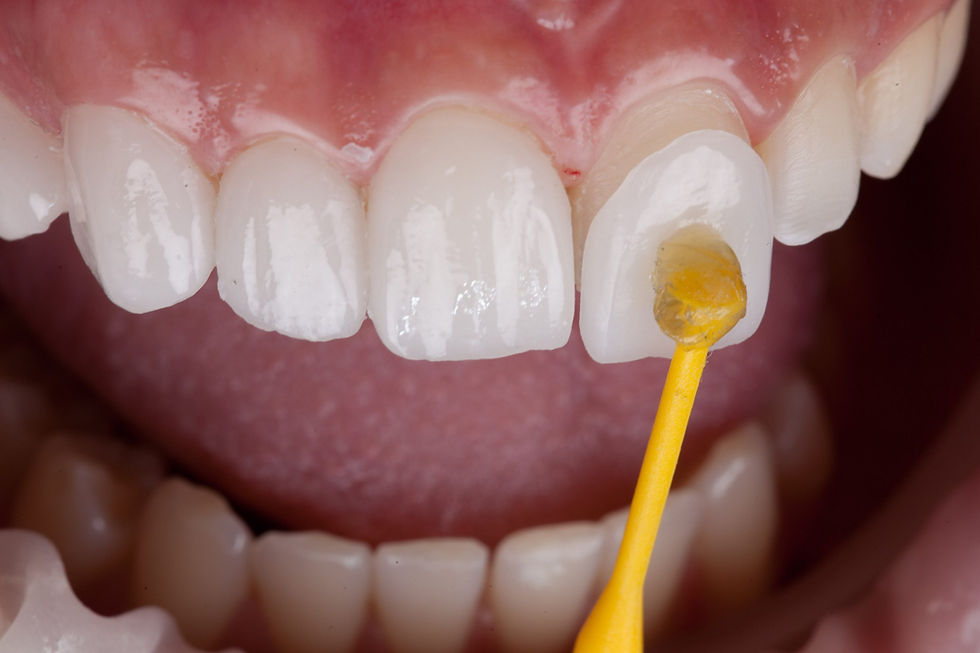
At the final appointment, each veneer is individually bonded to the tooth with adhesive systems designed for long term stability.

Communication in English
For international patients, language clarity is essential.
An English speaking dentist in São Paulo should be able to explain diagnosis, consent forms, and treatment alternatives without confusion. Written instructions are also commonly provided in English so that patients can review them later.
Transparency during these conversations builds confidence and reduces misunderstandings.
Responsible treatment planning
One sign of a reputable clinic is the willingness to say when veneers are not the best option.
Sometimes orthodontics, whitening, or restorative dentistry may produce healthier and more conservative results. Ethical clinicians discuss these alternatives openly before moving forward.
After Your Appointment
Immediate aftercare and recovery
Most patients experience minimal discomfort after porcelain veneers are placed.
You may feel mild sensitivity for a few days as your bite adapts. Dentists usually recommend avoiding extremely hard foods for the first week while the restorations settle.
Detailed instructions are provided before you leave the clinic.
Travel considerations after treatment
International patients are often concerned about flying soon after dental procedures.
Porcelain veneers generally do not restrict travel. In most cases patients can return home within a day or two of the final appointment. However, your dentist may recommend staying slightly longer if adjustments are anticipated.
Planning a small buffer in your travel schedule can provide peace of mind.
Remote follow up
Premium clinics that treat international patients maintain communication after you return home.
Follow ups may occur through video calls, photographs of your smile, or communication with your dentist in the United States if necessary.
This approach ensures that small concerns can be addressed quickly even from another country.
Long term maintenance of porcelain veneers
Porcelain veneers can last many years when properly maintained.
Longevity depends on several factors:
Daily oral hygiene
Bite forces and habits such as teeth grinding
Regular dental checkups
Many patients wear a night guard if they clench or grind their teeth during sleep. This small appliance protects both natural teeth and veneers from excessive pressure.
Coordinating care with your dentist at home
Responsible clinics understand that long term care continues after you leave Brazil.
If your dentist in the United States needs records, radiographs, or laboratory information, these can typically be shared. Clear documentation allows your local dentist to support your ongoing care without uncertainty.
FAQ
Is it safe to get porcelain veneers in Brazil?
Brazil has many highly trained dentists, particularly in major cities such as São Paulo. Safety depends less on the country and more on the individual clinic. Look for dentists with transparent credentials, clear communication, and a careful diagnostic process before treatment begins.
How many days do I need in São Paulo for porcelain veneers?
Most international veneer cases require approximately five to seven days in the city. This timeline allows for examination, preparation, laboratory fabrication, and final placement. Complex cases may require slightly longer stays.
What happens if my flight is delayed?
Responsible clinics typically plan schedules with some flexibility for international patients. If travel delays occur, appointments can often be adjusted. It is always wise to inform the clinic immediately if your travel plans change.
Will my dentist in the United States be able to follow my case?
Yes. Clinics that frequently treat international patients provide documentation that can be shared with your dentist at home. This may include photographs, radiographs, and laboratory details so that future care remains coordinated.
How does conscious sedation feel?
Patients usually describe conscious sedation as a deep state of relaxation. You remain awake and able to communicate, but the anxiety associated with dental treatment is greatly reduced. Many people remember very little of the procedure afterward.
How do I know if a clinic in São Paulo is reputable?
Look for transparent professional credentials, clear explanations of treatment planning, and patient reviews that describe both clinical results and the care experience. Clinics that encourage questions and provide detailed information often demonstrate a responsible approach.
What is the difference between Emax veneers and zirconia restorations?
Emax veneers are made from lithium disilicate ceramic and are widely used for aesthetic smile treatments because of their natural translucency. Zirconia restorations are stronger and often used for crowns in areas that require additional durability.
How long do porcelain veneers last?
With proper care, porcelain veneers can last many years. Longevity depends on oral hygiene, bite forces, and regular dental checkups. Many patients maintain their veneers for well over a decade.
Can veneers be placed if I grind my teeth?
Teeth grinding does not always prevent veneer treatment, but it requires careful planning. Dentists may recommend a night guard to protect both natural teeth and restorations from excessive pressure.
Is São Paulo a good destination for dental treatment?
São Paulo is one of the most advanced healthcare centers in Latin America. The city hosts many internationally trained dentists and modern dental laboratories, particularly in areas such as the Brooklin and South Zone districts.
👉 To see more oral health tips, real stories of overcoming dental fear, and our day to day at BCX Odontologia, follow our Instagram:https://www.instagram.com/bcxodontologia/
If you would like more information or to speak with our team on WhatsApp:https://shre.ink/ASio
Written by:
Dr. Beatriz Kawamoto
CROSP: 133.746
DDS, University of São Paulo (USP)
Studied Dentistry in Japan, Okayama University
MBA in Management and Innovation, USP DNA


Comentários