.png)


E.max Veneers in Brazil: Who They Are For and How to Ensure Long Lasting Results

Many people think about improving their smile for years before taking the first step.
Sometimes the hesitation comes from fear of pain. Sometimes it comes from uncertainty about whether cosmetic dentistry will look natural. For international patients, another layer of concern often appears. Traveling abroad for treatment can raise questions about safety, communication, and what happens once you return home.

Americans who search for E.max veneers in Brazil are usually looking for something very specific. They want a beautiful, natural looking smile, but they also want a treatment that is responsible, durable, and performed by dentists who respect long term oral health.
This article was written to help you understand who E.max veneers are appropriate for, how treatment is planned for international patients traveling to São Paulo, and what factors truly determine whether veneers will last for many years.
👉 To see more oral health tips, real stories of overcoming dental fear, and our day to day at BCX Odontologia, follow our Instagram:https://www.instagram.com/bcxodontologia/
Before Your Appointment
Understanding what E.max veneers actually are
E.max veneers are thin ceramic restorations made from lithium disilicate, a material widely used in aesthetic dentistry because it combines strength with natural translucency.
When properly planned, these veneers can reproduce the subtle color variations and light reflection of natural teeth. This is one reason they are frequently chosen for patients seeking a refined smile transformation rather than an artificial appearance.
However, veneers are not the right solution for every case. Responsible dentists evaluate several factors before recommending them.
Who E.max veneers are usually best for
E.max veneers are commonly recommended for patients who want to address concerns such as:
Discolored teeth that do not respond well to whitening
Small gaps between teeth
Minor shape irregularities
Teeth that appear worn or uneven
Previous bonding that no longer looks natural
Patients must also have healthy gums and stable bite conditions. If gum disease or major bite problems are present, those issues should be treated before veneers are considered.
A reputable English speaking dentist in São Paulo will always explain when veneers are appropriate and when another treatment may be safer or more conservative.
Situations where veneers may not be the best option
In some cases, dentists may suggest alternatives before placing veneers.
For example:
Significant crowding may require orthodontic treatment
Large structural damage may require crowns instead of veneers
Active teeth grinding may require protective planning first
Ethical treatment planning focuses on preserving natural tooth structure whenever possible.
Preparing for treatment as an international patient
When patients travel from the United States for E.max veneers in Brazil, preparation begins before the trip.
Most clinics request preliminary records such as:
Dental photographs
Recent X rays if available
Information about previous dental work
Medical history
An online consultation often follows. This conversation allows the dentist to understand your goals and explain what timeline would be realistic for treatment in São Paulo.
Planning your stay in São Paulo
Veneer treatment typically requires several visits across a period of five to seven days.
International patients often follow a schedule that includes:
Initial consultation and smile planning
Tooth preparation and temporary veneers
Laboratory fabrication
Final bonding appointment
The Brooklin neighborhood in the South Zone of São Paulo, where BCX Odontologia is located, is known for being well connected to major business districts, hotels, and transportation.
If you feel nervous about dental treatment
Dental anxiety is extremely common among patients considering cosmetic dentistry.
Many premium clinics in São Paulo provide care designed specifically for anxious patients. This may include longer consultation appointments, slower treatment pacing, and in some cases conscious sedation.
Conscious sedation allows patients to feel deeply relaxed while remaining awake and able to communicate with the dental team. It can make complex procedures much more comfortable for individuals who have avoided dental care in the past.
Questions worth asking before committing to treatment
Before scheduling veneers abroad, patients often want to clarify several points.
Helpful questions include:
What type of ceramic will be used for the veneers
How much tooth preparation is expected
How many days are required in São Paulo
What happens if an adjustment is needed after returning home
Whether the clinic can coordinate with your dentist in the United States
A clinic that answers these questions clearly usually demonstrates a patient centered approach.
👉 To see more oral health tips, real stories of overcoming dental fear, and our day to day at BCX Odontologia, follow our Instagram:https://www.instagram.com/bcxodontologia/
During Your Appointment
Confirming diagnosis in person
Even when preliminary records are reviewed online, the final treatment plan is always confirmed in person.
At your first appointment in São Paulo, the dentist will perform a full clinical evaluation. This may include photographs, digital scans, and bite analysis.
The goal is to confirm that E.max veneers are the correct treatment and to finalize the design of your future smile.
The importance of conservative tooth preparation
One of the principles of modern veneer dentistry is preserving as much natural tooth structure as possible.
Preparation for E.max veneers is usually minimal. The dentist carefully shapes the front surface of the tooth so that the ceramic veneer can sit naturally without adding bulk.
Temporary veneers are often placed at the same appointment. These provisional restorations allow you to experience the new shape and appearance before the final veneers are fabricated.

How the laboratory creates E.max veneers
After tooth preparation, the dental laboratory begins fabricating the final veneers.
Lithium disilicate ceramics are carefully layered and pressed to achieve a balance of strength and natural translucency. Skilled technicians work closely with the dentist to reproduce details such as surface texture, shade transitions, and light reflection.
This collaboration between dentist and laboratory is one of the key factors that determines whether veneers look natural.
Communication and transparency during treatment
For international patients, clear communication in English is essential.
A responsible dentist will explain each step before beginning and encourage you to ask questions. Consent forms and aftercare instructions are typically provided in English so you can review them comfortably.
Patients should feel fully informed about the treatment plan and the expected timeline.
Pain control and patient comfort
Veneer procedures are usually performed under local anesthesia, which ensures the treated teeth are completely numb.
For patients who experience dental anxiety, conscious sedation may also be offered when appropriate. This method helps reduce stress and allows patients to remain relaxed throughout the appointment.
The goal is always to create an environment where patients feel safe and respected.
After Your Appointment
The bonding appointment
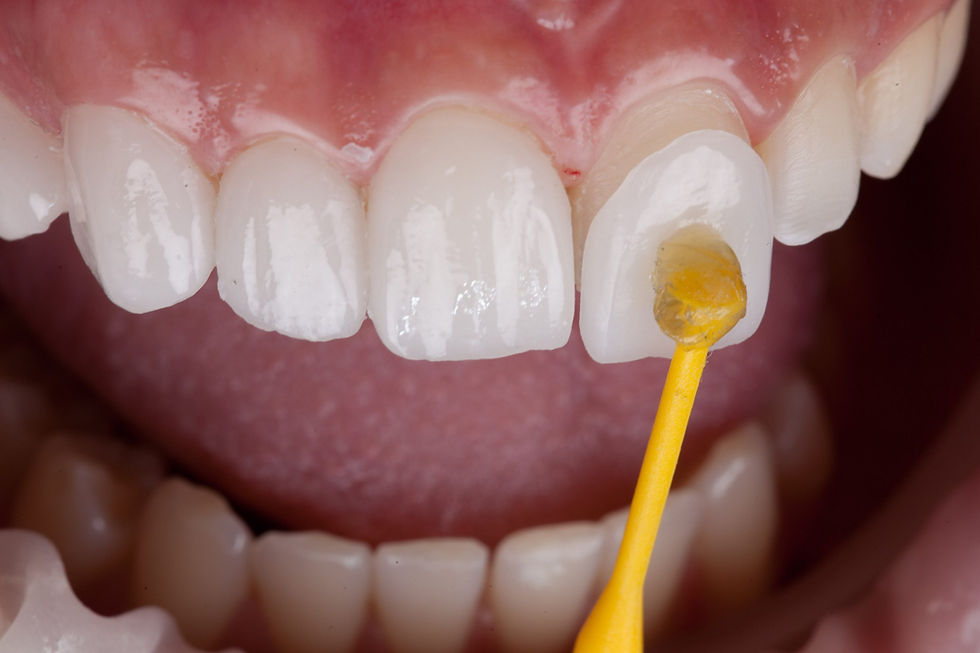
Once the veneers are completed by the laboratory, the final appointment focuses on bonding them securely to the teeth.
Each veneer is tested individually for fit, color, and bite alignment before permanent bonding. Adhesive systems designed specifically for ceramic restorations are used to create a strong and durable connection between the veneer and the natural tooth.
Small adjustments are often made to ensure the bite feels comfortable.
What to expect in the first few days
Most patients adapt to their veneers quickly.
You may experience mild sensitivity or a slight awareness of the new shape of your teeth for several days. This is normal and usually resolves as your bite adjusts.
Dentists often recommend avoiding extremely hard foods during the first week while the restorations settle.

Travel considerations after veneers
Unlike surgical dental procedures, veneers generally do not restrict air travel.
Most international patients return home within one or two days after the final bonding appointment. However, leaving a small buffer in your schedule can be helpful in case minor adjustments are needed.
How long E.max veneers can last
The longevity of veneers depends on several factors.
These include:
Daily oral hygiene
Bite forces and grinding habits
Regular dental checkups
With proper care, E.max veneers can last many years. Some patients maintain their restorations for well over a decade.
Protecting veneers long term
Patients who clench or grind their teeth may benefit from a custom night guard.
This appliance is worn during sleep and protects both natural teeth and veneers from excessive pressure. It is a simple but effective way to extend the lifespan of cosmetic dental work.
Follow up care after returning to the United States
Clinics that treat international patients remain available after treatment.
Follow ups may occur through video consultations, photographs of the smile, or coordination with your dentist in the United States. Sharing records and treatment details allows your local dentist to support long term maintenance.
This continuity of care is an important part of responsible international dentistry.
FAQ
Are E.max veneers safe?
Yes. E.max veneers are widely used in modern aesthetic dentistry and are considered safe when properly planned and placed by experienced dentists. Safety depends on careful diagnosis, appropriate tooth preparation, and high quality laboratory work.
How many days do I need in São Paulo for E.max veneers?
Most international patients spend about five to seven days in São Paulo for veneer treatment. This allows time for consultation, preparation, laboratory fabrication, and final placement.
Is Brazil a safe place for cosmetic dentistry?
Brazil has one of the largest dental education systems in the world, and cities such as São Paulo are known for highly trained dentists and advanced dental laboratories. As with any country, choosing a reputable clinic is essential.
Will my veneers look natural?
When veneers are designed carefully and fabricated by skilled technicians, they can closely mimic natural teeth. Materials such as lithium disilicate allow light to pass through the ceramic in a way that resembles natural enamel.
What if I grind my teeth?
Teeth grinding does not automatically prevent veneer treatment, but it requires additional planning. Dentists may recommend a night guard to protect the restorations from excessive pressure.
Can veneers stain over time?
The ceramic used in E.max veneers is highly resistant to staining. However, maintaining good oral hygiene and routine dental cleanings helps preserve their appearance over the years.
What if my flight is delayed and I miss my appointment?
Clinics that work with international patients usually maintain flexible scheduling whenever possible. Informing the clinic immediately about travel delays helps them reorganize appointments if necessary.
Will my dentist in the United States be able to maintain my veneers?
Yes. Dentists in the United States can perform routine checkups and cleanings for patients who have veneers placed abroad. Treatment records can also be shared if needed.
How do I know if a clinic in São Paulo is trustworthy?
Look for transparent credentials, clear treatment explanations, and patient reviews that describe both clinical quality and the care experience. Clinics that encourage questions and provide detailed information often demonstrate a responsible approach.
Do veneers damage natural teeth?
When veneers are planned conservatively, only a minimal amount of tooth structure is removed. The goal is to preserve natural enamel while improving the appearance of the smile.
👉 To see more oral health tips, real stories of overcoming dental fear, and our day to day at BCX Odontologia, follow our Instagram:https://www.instagram.com/bcxodontologia/
If you would like more information or to speak with our team on WhatsApp:https://shre.ink/ASio
Written by:
Dr. Beatriz Kawamoto
CROSP: 133.746
DDS, University of São Paulo (USP)
Studied Dentistry in Japan, Okayama University
MBA in Management and Innovation, USP DNA


Comentários