


Do Veneers Look Fake? The Real Reasons Some Smiles Don’t Look Natural, and How Natural Looking Veneers Are Planned in Brazil

Veneers do not look fake by nature. A smile looks artificial when color, shape, proportion or thickness ignore the person’s face, lips and gums. Natural looking veneers depend on facial analysis, a mock-up approved before treatment and precise laboratory work, which is how BCX Odontologia plans each smile in São Paulo, Brazil.
For many people, the greatest fear about veneers is not the procedure, the cost or even the trip. It is the moment they smile at a dinner, a wedding or a business meeting and someone notices that something looks different in the wrong way. Almost everyone has seen a smile that seemed too white, too uniform or too large for the face, and that image can make a person postpone a change they have wanted for years.

That fear is valid, and it deserves a serious answer. This guide explains the real reasons some veneers do not look natural, what a natural result actually depends on, how to recognize a clinic that plans with this in mind and what to expect when you travel to São Paulo for treatment. The goal is to help you pursue a beautiful smile without giving up the feeling that it is truly yours.
If you would like to understand how natural your new smile could look, our patient concierge at BCX Odontologia can talk with you about it on WhatsApp.
Why do some veneers look fake?
Veneers look fake when they are designed as a standard product rather than as part of a specific face. The material itself is rarely the problem. The most common reasons a smile looks artificial are planning decisions, and almost all of them can be anticipated before treatment begins.
The color is too white and too uniform
Natural teeth are not a single flat color. They are slightly warmer near the gums, more translucent at the edges and they vary subtly from one tooth to the next. When veneers are made in an extremely bright, opaque shade with no gradient or translucency, they reflect light like a solid surface rather than like enamel. The result can look striking in a photo and artificial in person.
Every tooth has the same shape
In a natural smile, central incisors, lateral incisors and canines each have their own shape, size and character. When all veneers look identical, or when the shape does not consider the person’s face, age and personality, the smile loses its individuality. A delicate face and a strong, angular face rarely suit the same tooth design.
The proportions ignore the face
Tooth length, width and the curve formed by the edges of the upper teeth should follow the lower lip when you smile. Teeth that are too long, too square or that do not follow this curve can look disconnected from the rest of the face. Facial midline, smile width and how much tooth shows at rest all matter.
The veneers are too thick
When veneers are bonded over teeth that are already positioned forward, without adequate planning, the smile can become bulky. The lips may look pushed out and the teeth may appear larger than they should. In some cases, a small amount of preparation or orthodontic alignment beforehand allows thinner veneers and a far more natural profile.
The gums were not considered
A beautiful set of veneers can still look wrong if the gum line is uneven, inflamed or shows dark margins. Healthy, harmonious gums frame the teeth. Gum health, and sometimes gentle gum contouring, is part of a natural result.
The surface is too smooth
Natural enamel has a subtle texture that scatters light. Veneers with a perfectly flat, glossy surface can look plastic under certain lights. Skilled laboratory technicians reproduce this micro texture by hand.
What makes natural looking veneers?
Natural looking veneers are the result of a process, not a single material choice. These are the elements that make the difference:
Facial analysis: the design starts from your face, lips, gum line and the way you speak and smile, not from a catalog
A smile you can see first: a mock-up placed directly on your teeth lets you see, feel and approve the shape before anything permanent is done
Thoughtful color selection: the shade is chosen to suit your skin, eyes and remaining natural teeth, often after whitening, with gradient and translucency
Appropriate thickness: the plan decides whether preparation, orthodontic alignment or no preparation will give the most natural profile
Individual laboratory work: each veneer is characterized by hand with subtle variations in color, translucency and texture
Healthy gums: periodontal health and a harmonious gum line frame the final result
At BCX Odontologia in São Paulo, we often see patients whose greatest concern is ending up with a smile that looks artificial. For many of them, the mock-up is the turning point: seeing their own face with the proposed shape, in natural light, transforms fear into trust, and small adjustments made at that stage are what make the final result feel like theirs.
Does porcelain look more natural than composite?
Both can look natural in skilled hands. Porcelain keeps its translucency, color and surface texture for many years, which is why it is often preferred when a long lasting natural appearance is the priority. Composite can look beautiful at first, but over time it tends to absorb stains and lose its shine, which can make it look less natural unless it receives regular polishing.
Can a very white smile still look natural?
A bright smile can look natural when it keeps translucency, variation between teeth and harmony with the skin tone. The problem is not whiteness itself, but a flat, opaque white with no depth. A good plan discusses how bright you want your smile to be and shows you how that shade looks on your face before it becomes permanent.
Moment one: before you travel to Brazil
How do I choose a clinic that delivers natural looking veneers?
A clinic focused on natural results talks about your face before it talks about the number of teeth. These checkpoints help when comparing clinics in Brazil or in any other country:
The clinic asks for smile photos, facial photos and X-rays before suggesting a plan
The dentist is registered with the regional dental council, in São Paulo the CRO-SP
You can see and approve a mock-up of your new smile before the final veneers are made
The plan explains the material, the number of teeth, the level of preparation and why
Gum health and bite are examined, not only the color and shape of the teeth
No one guarantees a specific result or decides the number of veneers without an exam
What should I send for the online consultation?
At BCX Odontologia, planning begins with an online consultation before you travel. Helpful materials include a natural smile photo in daylight, a photo of your full face while smiling, close up photos of your teeth from the front and sides, a recent panoramic X-ray if available, and examples of smiles you consider natural and beautiful. Showing smiles you do not like is equally useful.
Who is a good candidate for natural looking veneers?
Good candidates have healthy gums, no active decay and a stable bite. Patients who grind their teeth can often receive veneers, but the habit should be managed first, usually with a night guard. When teeth are significantly crowded or positioned forward, aligners before veneers may allow a thinner and more natural result.
How many days should I plan in São Paulo?
For porcelain veneers, planning around one to two weeks of weekday appointments in São Paulo is common, because each veneer is produced and characterized in the laboratory between visits. Whitening, gum adjustments or a larger number of teeth extend the timeline. The online consultation helps define your dates before you book a flight.
If your trip is starting to take shape, the BCX Odontologia concierge can organize your online consultation so your smile design begins before you arrive in Brazil.
Moment two: during your treatment in São Paulo
How is the smile designed and approved?
The design begins with photographs, facial analysis and a digital scan. A mock-up is then placed directly on your teeth so you can see the proposed shape in the mirror, smile, speak and even take photos. This is the moment to say what you like and what you would change. The final veneers are only produced after you approve the design.
What happens step by step?
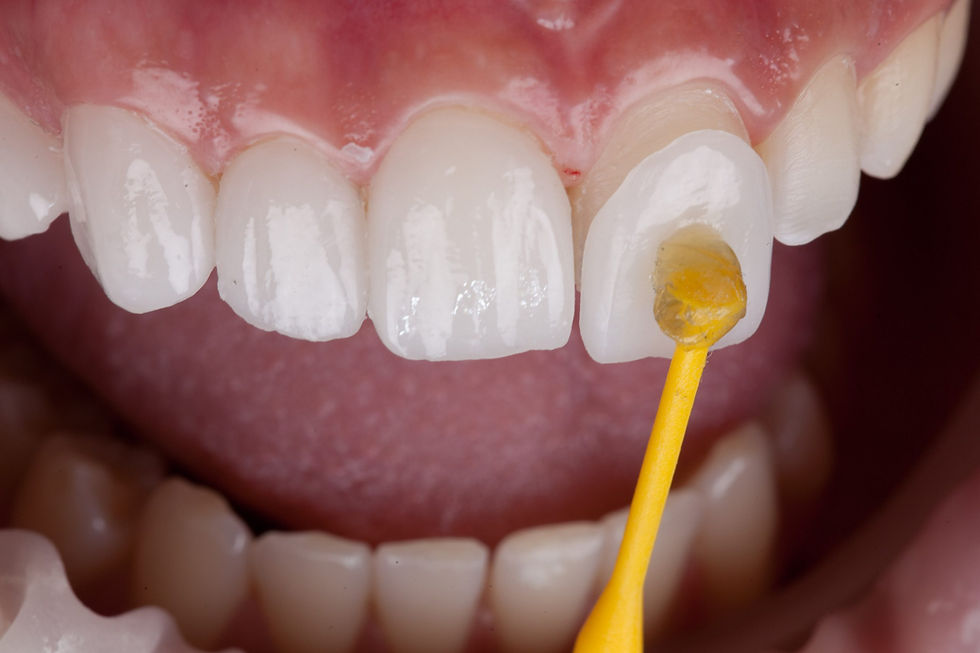
After approval, the teeth are prepared as planned, often minimally and within the enamel when the case allows, and recorded with a digital scan. Temporary veneers protect the teeth while the laboratory produces the definitive ones. At the try-in, color, shape and fit are checked in natural light before the veneers are permanently bonded.
To see natural smile transformations and the care behind each case at our clinic in São Paulo, visit the BCX Odontologia | Dentista Brooklin (@bcxodontologia) • Instagram profile.

Is the treatment comfortable?
Preparation is performed with local anesthesia, and many patients describe the process as calm. For patients with dental anxiety, conscious sedation can be considered when clinically indicated. BCX Odontologia works with a low-volume model of around four patients per day, so each appointment has time for careful adjustments.
How will communication work?
International patients are supported in English by the BCX Odontologia patient concierge before, during and after treatment, from the first contact to aftercare. During in-person appointments, communication with the dentist is supported by real-time translation technology, so you can express exactly what you want and approve every detail of your smile.
How are the plan and payment presented?
After the exam, you receive a written treatment plan with the procedures, materials, number of veneers, visits and investment, along with an informed consent and a service agreement signed digitally. Treatment begins only after your approval.
What if my flight is delayed?
Temporary veneers protect your teeth while the laboratory works, so a short delay can usually be accommodated. The concierge reorganizes your appointments with you. The clinic is located in front of the Vila Cordeiro monorail station, close to Av. Jornalista Roberto Marinho, with valet parking in the building.
Moment three: after you return home
What is normal in the first days?
Mild sensitivity and a short adaptation period are common. The new shape may feel different on your lips and tongue for a few days, and speech usually adapts quickly. If your bite feels uneven or an edge feels sharp, contact the clinic.
How do I keep veneers looking natural over time?
Brush with a non-abrasive toothpaste, floss daily, keep regular cleanings and wear a night guard if you grind. Healthy gums are essential, because gum inflammation or recession can expose margins and change how natural the smile looks. Porcelain keeps its color, so maintaining gum health is the most important part of long term aesthetics.
How does follow-up work from abroad?
The concierge remains available after you return, coordinating photos, questions and remote conversations with the dentist when needed. You leave with a summary of the materials and shades used, so a dentist in your home country can maintain your smile with accurate information.
Natural looking veneers start with planning
Veneers look fake when they are designed without the face in mind, and natural looking veneers are the result of careful analysis, a design you approve and individual laboratory work. In Brazil, and especially in São Paulo, international patients can access this level of planning, and BCX Odontologia, which welcomes patients from more than 15 countries, designs each smile so that it looks like a healthier, more confident version of the person who wears it.
Written by:
Dr. Beatriz Kawamoto
CRO-SP 133.746DDS, University of São Paulo (USP)
Studied Dentistry in Japan, Okayama University
MBA in Management and Innovation, USP DNA
Founder of BCX Odontologia, São Paulo, Brazil
Frequently Asked Questions
Do veneers always look fake?
No. Veneers look fake when color, shape, proportion or thickness are chosen without considering the person’s face, lips and gums. When the smile is designed from a facial analysis, tested with a mock-up and produced with individual laboratory work, veneers can be very difficult to distinguish from natural teeth. The planning process matters far more than the veneer itself in determining whether a smile looks natural.
Why do some veneers look too white?
Some veneers look too white because they are made in a flat, opaque shade without the gradient and translucency of natural enamel. Natural teeth are slightly warmer near the gums and more translucent at the edges. A bright smile can still look natural when it keeps this depth and harmonizes with the skin tone, which is why the shade should be tested on your face before it becomes permanent.
Do porcelain veneers look more natural than composite?
Both can look natural when well executed. Porcelain maintains its translucency, color and surface texture for many years, so it is often preferred when a long lasting natural appearance is the priority. Composite can look beautiful initially, but it tends to absorb stains and lose shine over time, which may make it look less natural unless it receives regular professional polishing and maintenance.
Can I see my new smile before getting veneers?
Yes. A mock-up can be placed directly on your teeth so you can see and feel the proposed shape before any permanent step. You can smile, speak and take photos, and adjustments are made at this stage. At BCX Odontologia, the final veneers are only produced after you approve the design, which is one of the most effective ways to ensure the result feels natural to you.
How do I find natural looking veneers in Brazil?
Look for a clinic that asks for facial and smile photos before suggesting a plan, offers a mock-up you can approve, explains the material and level of preparation for each tooth and evaluates gum health and bite. In Brazil, confirm that the dentist is registered with the regional dental council. Viewing real results of the clinic, especially smiles photographed in natural light, also helps you judge their aesthetic approach.
How many days do I need in São Paulo for natural looking veneers?
For porcelain veneers, planning around one to two weeks of weekday appointments in São Paulo is common, because each veneer is produced and characterized by hand in the laboratory between visits. Whitening, gum adjustments or a larger number of teeth can extend this time. An online consultation before your trip helps define a realistic schedule so you can plan flights and accommodation with confidence.
Do no-prep veneers look more natural?
Not necessarily. No-prep veneers can look excellent when the teeth are small or slightly positioned inward. When teeth are already forward or crowded, adding veneers without preparation can make the smile look bulky and the lips appear pushed out. The most natural option depends on your tooth position, so the level of preparation should be decided during planning, sometimes with aligners first.
Will people notice I have veneers?
When veneers are well planned, most people simply notice that you look rested, confident or happier, without identifying exactly why. The goal of a natural smile is not to draw attention to the teeth, but to harmonize with your face. Choosing a shade, shape and size that suit you, and testing them before the final result, greatly reduces the chance of an artificial look.
How do I keep my veneers looking natural for years?
Keep your gums healthy with daily brushing and flossing, use a non-abrasive toothpaste, attend regular cleanings and wear a night guard if you grind your teeth. Gum inflammation or recession can expose veneer margins and change how natural the smile looks. Porcelain itself keeps its color, so consistent hygiene and protection against grinding are the keys to lasting aesthetics.
Will someone at the clinic communicate with me in English?
Yes. International patients are supported in English by the BCX Odontologia patient concierge before, during and after treatment, from the first contact to aftercare. During in-person appointments, communication with the dentist is supported by real-time translation technology, so you can express exactly what you want for your smile and approve every detail with confidence.
If you would like to understand your options or speak with our team, contact BCX Odontologia on WhatsApp: BCX Odontologia
To see real results and our day to day in São Paulo, follow BCX Odontologia on Instagram:BCX Odontologia | Dentista Brooklin (@bcxodontologia) • Instagram profile


Comentários