.png)


Do Veneers Look Fake? How to Avoid an Artificial Smile Abroad

Many people hesitate before improving their smile for one simple reason.
They are afraid of looking unnatural.

Images of overly white, bulky, or identical teeth have made some patients worry that porcelain veneers might create a smile that does not look like them anymore. For people considering dental treatment abroad, that fear can become even stronger. If the work looks artificial, it is not easy to correct once you return home.
Patients searching online about veneers often want reassurance that their smile will still look like their own. They want refinement, not transformation that feels exaggerated. They want confidence when they speak, laugh, or appear in photographs without worrying that their teeth attract the wrong kind of attention.
This article explains why some veneers appear artificial and how careful planning can help create results that feel natural, balanced, and appropriate for your face. It also explains how international patients traveling for cosmetic dentistry in São Paulo can plan treatment responsibly.
👉 To see more oral health tips, real stories of overcoming dental fear, and our day to day at BCX Odontologia, follow our Instagram:https://www.instagram.com/bcxodontologia/
Before Your Appointment
Why some veneers look artificial
The most common reason veneers look fake is not the material itself. It is poor planning.
When veneers appear bulky or overly bright, several things may have gone wrong during treatment planning:
Too much tooth structure was left underneath the veneer, creating excessive thickness
The shade chosen was unnaturally white for the patient’s skin tone
All teeth were shaped identically without natural variation
Bite relationships were ignored during smile design
Natural teeth are not perfectly symmetrical. They have subtle texture, gentle curves, and small differences between each tooth. When veneers ignore these natural details, the result can look artificial.
The importance of facial harmony
A natural looking smile must be designed in relation to the entire face.
Dentists who specialize in aesthetic dentistry consider factors such as:
Lip movement when smiling
Facial proportions
Age related tooth characteristics
Skin tone and eye color
The natural shape of surrounding teeth
This type of planning ensures that veneers enhance your appearance without drawing unnecessary attention.
How material choice influences realism
The material used for veneers also plays a role in the final result.
High quality ceramics such as lithium disilicate, commonly used for porcelain veneers in São Paulo, allow light to pass through the restoration in a way that resembles natural enamel. This translucency is what prevents veneers from appearing flat or opaque.
However, even the best material cannot compensate for poor design. The skill of the dentist and laboratory technician remains the most important factor.
Preparing for treatment abroad
International patients who want to avoid an artificial smile should begin with careful preparation before traveling.
Many clinics request preliminary photographs of your smile and face. These images allow the dentist to evaluate proportions and discuss aesthetic goals during an online consultation.
Patients are often encouraged to share reference images of smiles they find attractive. This conversation helps clarify whether you prefer a subtle refinement or a more dramatic change.
Questions worth asking before choosing a clinic
When considering veneers abroad, thoughtful questions can reveal whether a clinic prioritizes natural aesthetics.
You may want to ask:
How the smile design process works
Whether temporary veneers will be used to test the result
How the laboratory collaborates with the dentist
How shade selection is performed
What happens if adjustments are needed
A reputable English speaking dentist in São Paulo will explain these details clearly.

If you feel nervous about cosmetic dentistry
Some patients worry not only about appearance but also about the dental procedure itself.
Fear of dental treatment is common, especially for patients who have had uncomfortable experiences in the past. Clinics that treat anxious patients often take additional time during consultations and explain each step carefully.
In some situations, conscious sedation may be offered to help patients feel calm and relaxed during treatment.
👉 To see more oral health tips, real stories of overcoming dental fear, and our day to day at BCX Odontologia, follow our Instagram:https://www.instagram.com/bcxodontologia/
During Your Appointment
Confirming your aesthetic goals
When you arrive for treatment, the first appointment usually focuses on confirming the smile design.
Dentists review your expectations and evaluate how the proposed veneer shapes interact with your face and natural teeth. Digital scans and photographs may be used to refine the design.
This step ensures that the treatment reflects your preferences rather than imposing a standard aesthetic template.
The role of temporary veneers
Temporary veneers are one of the most valuable tools for achieving natural results.
After the teeth are prepared, provisional veneers are placed for several days. These allow patients to see how the new shapes look when speaking, smiling, and interacting with others.
During this period, small adjustments can be made. Length, contour, and proportions can be refined before the final ceramic veneers are fabricated.
This process helps prevent surprises and allows the final restorations to reflect your comfort and feedback.
Collaboration with the dental laboratory
Natural looking veneers require close collaboration between the dentist and the dental laboratory.
Technicians carefully layer ceramic to recreate the subtle characteristics of natural teeth. These include slight variations in color, translucency near the edges, and delicate surface texture.
Without this level of craftsmanship, veneers may appear overly uniform or opaque.
Communication in English
For international patients, clear communication throughout treatment is essential.
An English speaking dentist in São Paulo should explain each step of the procedure and confirm that you feel comfortable with the design choices. Shade selection, smile proportions, and bite adjustments should all be discussed openly.
This transparency reduces misunderstandings and helps ensure that the final result matches your expectations.
Comfort and anxiety management
Local anesthesia ensures that veneer preparation is comfortable.
Patients who feel nervous may also benefit from conscious sedation when appropriate. This approach allows individuals to remain awake while feeling calm and relaxed during treatment.
The goal is to create an environment where patients feel safe and supported.
After Your Appointment
Seeing the final result
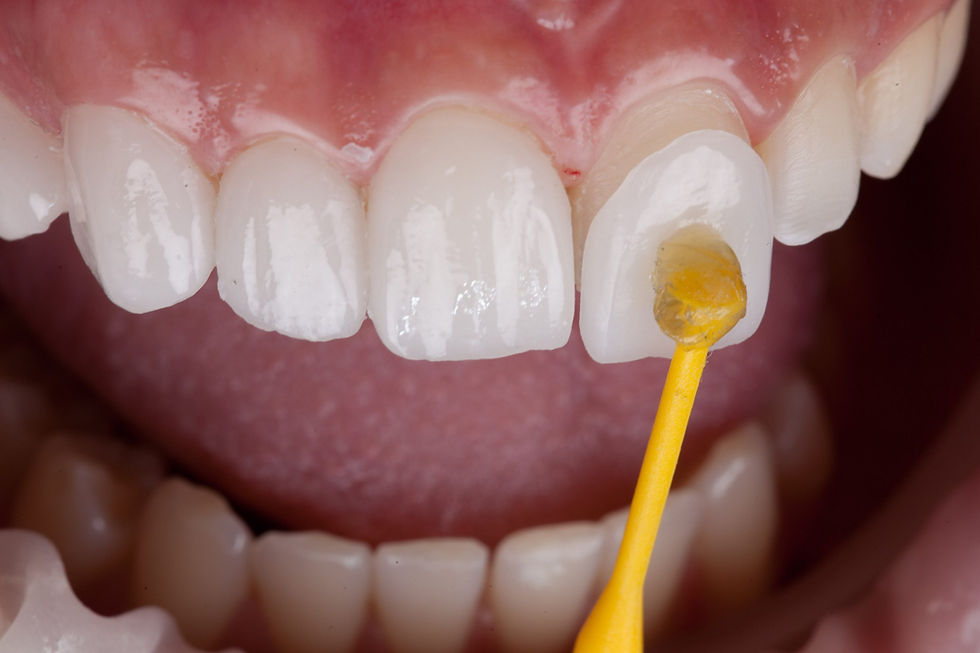
When the laboratory completes the veneers, the final appointment focuses on testing and bonding them.
Each veneer is evaluated individually to confirm that the color, shape, and bite alignment are correct. Dentists typically place them temporarily before bonding to allow patients to view the result in a mirror.
Only when both patient and dentist feel confident about the appearance are the veneers permanently bonded.

Adjusting to your new smile
It is normal to notice subtle differences during the first few days after veneer placement.
Your tongue and lips may take time to adapt to the new contours of your teeth. This adaptation period usually resolves quickly as speaking and chewing patterns adjust.
Traveling after veneer treatment
Porcelain veneers usually do not require extended recovery time.
Most international patients can return home within one or two days after the final appointment. However, leaving a small buffer in your travel schedule can be helpful in case minor adjustments are needed.
Maintaining natural looking veneers long term
The appearance of veneers over time depends on proper maintenance.
Daily brushing and flossing, regular dental checkups, and avoiding excessive bite forces help preserve both the health of the teeth and the aesthetics of the veneers.
Patients who grind their teeth during sleep may benefit from wearing a night guard to protect the restorations.
Follow up after returning home
Clinics that treat international patients typically maintain communication after treatment.
Follow ups may occur through video consultations, photographs of the smile, or coordination with your dentist in the United States if needed. This ongoing support helps ensure that the results remain stable.
FAQ
Do veneers always look fake?
No. When veneers are carefully planned and fabricated with high quality ceramics, they can look very natural. Artificial results usually occur when treatment ignores facial proportions, natural tooth variation, or appropriate shade selection.
How can I avoid an artificial smile with veneers?
Choosing an experienced dentist, using temporary veneers to test the design, and collaborating with a skilled dental laboratory all contribute to natural results. Clear communication about your aesthetic goals is also essential.
Are veneers in Brazil safe?
Brazil has a strong dental education system and many highly trained dentists, particularly in cities such as São Paulo. Safety depends on choosing a reputable clinic with transparent credentials and responsible treatment planning.
How long do porcelain veneers last?
Porcelain veneers can last many years when maintained properly. Longevity depends on oral hygiene, bite habits, and routine dental checkups.
What happens if my veneers feel too large?
Temporary veneers allow adjustments before the final restorations are fabricated. After final bonding, minor adjustments can also be made if necessary.
Will people be able to tell I have veneers?
Well designed veneers should blend naturally with your face and smile. Most people notice that the smile looks healthy and balanced rather than identifying the presence of veneers.
What if my flight is delayed before my appointment?
Clinics that treat international patients usually try to accommodate travel disruptions when possible. Informing the clinic as soon as possible allows them to adjust scheduling.
Can my dentist in the United States maintain my veneers?
Yes. Routine checkups, cleanings, and monitoring can be performed by your dentist at home. Treatment records can also be shared if needed.
Is conscious sedation available for veneer procedures?
Some clinics offer conscious sedation for patients who experience dental anxiety. This allows patients to remain relaxed while still being awake and able to communicate during treatment.
How many days should I plan to stay in São Paulo for veneers?
Most veneer treatments require approximately five to seven days in the city to allow for consultation, preparation, laboratory fabrication, and final placement.
👉 To see more oral health tips, real stories of overcoming dental fear, and our day to day at BCX Odontologia, follow our Instagram:https://www.instagram.com/bcxodontologia/
If you would like more information or to speak with our team on WhatsApp:https://shre.ink/ASio
Written by:
Dr. Beatriz Kawamoto
CROSP: 133.746
DDS, University of São Paulo (USP)
Studied Dentistry in Japan, Okayama University
MBA in Management and Innovation, USP DNA


Comentários