.png)


Veneers vs Composite Bonding in Brazil: What International Patients Should Consider

For many people, the decision to improve their smile begins with a simple question.
What is the right treatment for me?

Patients who start researching cosmetic dentistry often discover two common options: porcelain veneers and composite bonding. Both can improve the shape, color, and balance of the smile, but they are very different treatments. The choice depends on the condition of the teeth, aesthetic expectations, and long term maintenance.
International patients who search for cosmetic dentistry in Brazil frequently compare these options before deciding whether to travel. They want to understand how long results last, what level of preparation is required, and whether treatment can realistically be completed within the time available during their stay in São Paulo.
This article explains the differences between veneers and composite bonding, what each treatment involves, and what international patients should carefully consider before choosing one option over the other.
👉 To see more oral health tips, real stories of overcoming dental fear, and our day to day at BCX Odontologia, follow our Instagram:https://www.instagram.com/bcxodontologia/
Before Your Appointment
Understanding the basic difference between veneers and composite bonding
Both veneers and composite bonding are designed to improve the appearance of teeth. However, they rely on very different materials and techniques.
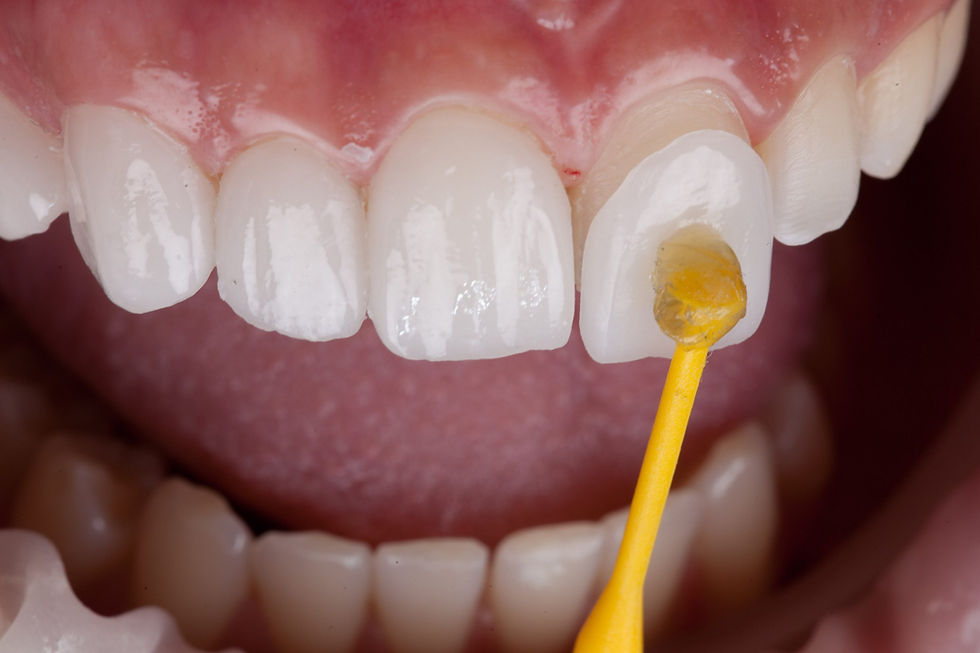
Porcelain veneers are thin ceramic shells that are bonded to the front surface of the teeth. They are fabricated in a dental laboratory and designed to replicate the natural translucency of enamel.
Composite bonding uses a tooth colored resin that is sculpted directly on the tooth during the appointment. The dentist shapes and polishes the material by hand to improve the appearance of the tooth.
Both treatments can produce beautiful results when used appropriately, but they serve different purposes.
Who is typically a good candidate for composite bonding
Composite bonding is often recommended for smaller aesthetic improvements.
Patients may benefit from bonding when they want to address:
Minor chips or small cracks
Small gaps between teeth
Slight shape irregularities
Isolated discoloration
Because composite bonding is applied directly to the tooth, the procedure is usually completed in a single appointment and often requires little or no tooth preparation.
This makes it an appealing option for patients seeking a conservative and relatively quick aesthetic improvement.
When porcelain veneers may be more appropriate
Porcelain veneers are often chosen when patients want a more comprehensive transformation of their smile.
Dentists may recommend veneers for situations such as:
Multiple teeth with significant discoloration
Teeth that appear worn or uneven
Larger spacing between teeth
Previous dental work that needs aesthetic replacement
Porcelain veneers are fabricated in a dental laboratory, which allows technicians to recreate subtle details such as translucency and surface texture.
These characteristics often make veneers more stable and aesthetically refined over time.
Planning treatment as an international patient
For patients traveling from the United States, preparation before the trip is an important step.
Clinics typically request photographs, dental records, and medical history before confirming whether veneers or composite bonding is the most appropriate treatment.
An online consultation often follows. During this conversation, the dentist evaluates aesthetic goals and determines whether treatment can realistically be completed during the patient’s stay in São Paulo.
Time considerations for treatment abroad
One practical difference between the two treatments is the time required.
Composite bonding is often completed in one appointment. This can be helpful for patients with limited travel time.
Porcelain veneers typically require several visits across a period of five to seven days. The additional time allows for laboratory fabrication of the ceramic restorations.
The Brooklin neighborhood in the South Zone of São Paulo, where BCX Odontologia is located, offers convenient access to hotels and transportation for international patients planning their stay.

If you experience dental anxiety
Many patients considering cosmetic dentistry have postponed treatment because of dental fear.
Clinics that regularly treat anxious patients approach treatment differently. Conversations are slower, explanations are clearer, and patients are encouraged to remain in control throughout the process.
Some premium dental clinics in São Paulo also offer conscious sedation when appropriate. This allows patients to feel relaxed while remaining awake and able to communicate during treatment.
Questions worth asking before choosing a treatment
Patients deciding between veneers and composite bonding often ask:
How long each treatment is expected to last
Whether the procedure is reversible
How much tooth preparation is required
What maintenance is needed in the future
Whether adjustments can be made after treatment
A reputable English speaking dentist in São Paulo will discuss these questions openly and explain what depends on individual diagnosis.
👉 To see more oral health tips, real stories of overcoming dental fear, and our day to day at BCX Odontologia, follow our Instagram:https://www.instagram.com/bcxodontologia/
During Your Appointment
Confirming diagnosis in person
Even when preliminary records are reviewed online, the final diagnosis is always confirmed in person.
At your first appointment in São Paulo, the dentist performs a clinical examination that may include digital scans, photographs, and bite analysis.
This step ensures that the chosen treatment aligns with the condition of your teeth and your aesthetic goals.
What happens during composite bonding
Composite bonding is typically completed in a single appointment.
The dentist carefully applies a tooth colored resin to the tooth surface. The material is sculpted by hand to improve shape and symmetry. A special curing light hardens the composite, after which the restoration is polished to create a smooth surface.
Because the process is performed directly in the mouth, results depend heavily on the dentist’s artistic skill.
What happens during veneer treatment
Porcelain veneer treatment involves multiple stages.
During the first appointment, the dentist prepares the surface of the teeth to create space for the ceramic restorations. Temporary veneers are often placed so that patients can evaluate the proposed shape and length.
The dental laboratory then fabricates the final veneers using ceramic materials such as lithium disilicate.
At the final appointment, the veneers are bonded to the teeth using specialized adhesive systems designed for long term durability.
Communication and consent
Clear communication is essential for international patients.
An English speaking dentist in São Paulo should explain each step of treatment and confirm that you feel comfortable with the plan. Shade selection, smile design, and consent for treatment should always be discussed openly.

Comfort during the procedure
Local anesthesia is typically used to ensure that treatment is comfortable.
Patients who experience dental anxiety may also benefit from conscious sedation when appropriate. This approach allows patients to remain relaxed while still being able to communicate with the dental team.
After Your Appointment
Recovery after bonding or veneers
Both treatments usually involve minimal recovery time.
Patients may experience mild sensitivity for a short period, particularly if veneers were placed. This sensitivity generally resolves quickly.
Your dentist will provide detailed instructions about oral hygiene and diet during the first few days.
Travel considerations for international patients
Composite bonding rarely affects travel plans. Patients can usually fly home shortly after the appointment.
For veneers, dentists often recommend staying in São Paulo for a short period after the final placement. This allows time for adjustments if necessary before returning home.
Longevity and maintenance
One of the main differences between veneers and composite bonding is longevity.
Composite bonding may require periodic maintenance because the material can stain or wear over time. Small repairs or polishing may be needed.
Porcelain veneers are more resistant to staining and wear. With proper care, they can remain stable for many years.
Protecting your smile long term
Regardless of which treatment you choose, long term maintenance is essential.
Daily brushing and flossing, regular dental checkups, and avoiding excessive bite forces help preserve the results.
Patients who grind their teeth may benefit from wearing a night guard to protect both natural teeth and restorations.
Follow up care after returning to the United States
Clinics that treat international patients typically remain available after treatment.
Follow ups may occur through video consultations or communication with your dentist in the United States. Sharing treatment records helps ensure that long term care remains coordinated.
FAQ
Is composite bonding cheaper than veneers?
Composite bonding is usually less expensive because it requires fewer laboratory steps and can often be completed in one appointment. However, the long term cost may vary depending on maintenance needs over time.
Do veneers last longer than composite bonding?
Yes. Porcelain veneers are generally more resistant to staining and wear than composite resin. With proper care, they often last longer than composite restorations.
Can composite bonding look as natural as veneers?
Composite bonding can produce beautiful results when performed by an experienced dentist. However, porcelain veneers often offer greater translucency and stability over time.
How many days do I need in São Paulo for veneers?
Most veneer treatments require approximately five to seven days in the city to allow time for consultation, preparation, laboratory fabrication, and final placement.
Is composite bonding reversible?
In many cases composite bonding requires little or no removal of natural tooth structure, which means it can often be modified or removed later if necessary.
Can my dentist in the United States maintain veneers or bonding done in Brazil?
Yes. Dentists in the United States can perform routine checkups and maintenance for both treatments. Records can also be shared if needed.
What if my flight is delayed before my appointment?
Clinics that work with international patients usually try to accommodate travel disruptions whenever possible. Informing the clinic quickly helps them adjust the schedule.
How do I know whether veneers or bonding is right for me?
The best treatment depends on the condition of your teeth, aesthetic goals, and long term expectations. A detailed clinical examination is necessary to determine which option is most appropriate.
Is cosmetic dentistry in Brazil safe?
Brazil has a large dental education system and many highly trained dentists. Choosing a reputable clinic with transparent credentials is the most important step.
Can patients with dental anxiety undergo cosmetic dentistry?
Yes. Many clinics offer approaches designed for anxious patients, including longer consultations and in some cases conscious sedation to help patients feel relaxed during treatment.
👉 To see more oral health tips, real stories of overcoming dental fear, and our day to day at BCX Odontologia, follow our Instagram:https://www.instagram.com/bcxodontologia/
If you would like more information or to speak with our team on WhatsApp:https://shre.ink/ASio
Written by:
Dr. Beatriz Kawamoto
CROSP: 133.746
DDS, University of São Paulo (USP)
Studied Dentistry in Japan, Okayama University
MBA in Management and Innovation, USP DNA


Comentários