.png)


Veneers Maintenance for Americans: How to Protect Your Investment After You Return Home

Choosing porcelain veneers is rarely a casual decision.
For many patients, it represents years of thinking about their smile, saving for treatment, and finally deciding to invest in something that improves confidence and daily comfort. When veneers are placed abroad, that investment carries even more meaning because it required planning, travel, and trust in a clinical team far from home.

After returning to the United States, one important question naturally appears.
How do you protect the results for the long term?
Porcelain veneers are designed to be durable, but their longevity depends heavily on daily care, professional maintenance, and a few important habits. When patients understand how to maintain them properly, veneers can remain stable and beautiful for many years.
This guide explains what Americans should know about caring for veneers after treatment abroad and how to maintain a healthy smile once you return home.
👉 To see more oral health tips, real stories of overcoming dental fear, and our day to day at BCX Odontologia, follow our Instagram:https://www.instagram.com/bcxodontologia/
Before Your Appointment
Understanding what veneers need to stay healthy
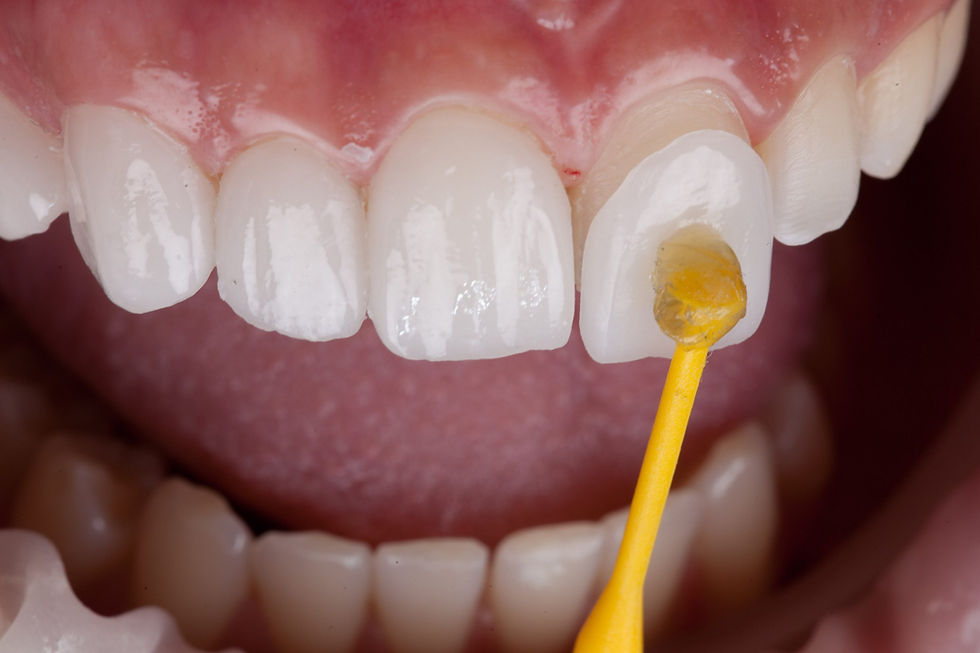
Porcelain veneers are thin ceramic restorations bonded to the front surface of teeth.
The ceramic itself is highly resistant to staining and wear, but the surrounding tooth structure and gum tissue still require normal dental care. Veneers behave much like natural teeth in daily life, which means they respond to hygiene habits, bite forces, and general oral health.
Patients who understand this from the beginning usually find maintenance straightforward.
Choosing a dentist who plans for long term care
When veneers are placed abroad, responsible clinics plan for long term maintenance even before treatment begins.
Patients should receive clear explanations about:
Daily oral hygiene routines
Follow up appointments after returning home
What symptoms should prompt contacting the clinic
How their local dentist can participate in maintenance care
Clinics that treat international patients often provide written instructions in English so patients can easily follow these guidelines once they return to the United States.
Understanding what veneers can and cannot do
Porcelain veneers are strong, but they are not indestructible.
They are designed for normal chewing forces, not for activities that place extreme pressure on the teeth. Patients who grind their teeth during sleep, bite very hard objects, or use their teeth to open packaging may increase the risk of damage.
Knowing these limitations helps patients avoid habits that could shorten the lifespan of their restorations.

Planning communication with your dentist at home
One helpful step after treatment abroad is informing your local dentist that veneers were placed.
Your dentist in the United States can monitor the restorations during routine checkups and provide preventive care such as professional cleaning and bite evaluations.
Clinics in São Paulo that treat international patients can share treatment records and imaging with your local dentist if needed.
If you experience dental anxiety
Patients who previously struggled with dental anxiety often feel relieved once their veneers are complete.
However, maintaining regular dental visits remains important. Clinics that emphasize patient comfort and clear communication can help ensure that routine maintenance feels manageable rather than stressful.
Some dental offices also provide gentle approaches for anxious patients, including longer appointments and calm treatment pacing.
👉 To see more oral health tips, real stories of overcoming dental fear, and our day to day at BCX Odontologia, follow our Instagram:https://www.instagram.com/bcxodontologia/
During Your Appointment
The importance of proper bonding
One of the most critical factors in veneer longevity is the bonding process.
During the final appointment, the dentist carefully prepares the tooth surface and uses specialized adhesive systems to secure the ceramic veneer. Proper bonding ensures that the restoration remains stable and resistant to normal chewing forces.
This step requires precision and careful isolation to protect the adhesive from moisture during placement.
Checking bite balance
After veneers are bonded, the dentist evaluates the bite to ensure that forces are distributed evenly.
If certain teeth absorb too much pressure, the veneers may experience excessive stress over time. Small adjustments during the final appointment help prevent these problems.
Patients are encouraged to test how their bite feels and communicate any areas that feel uncomfortable.
Providing written care instructions
Before leaving the clinic, patients should receive clear guidance about how to care for their veneers.
These instructions usually include:
Recommended brushing and flossing techniques
Foods to avoid during the first days
When to schedule follow up visits
Signs that may require contacting the dentist
Written instructions help patients feel confident maintaining their new smile once they return home.
Communication in English
For international patients, understanding these instructions fully is essential.
An English speaking dentist in São Paulo should ensure that the patient understands both the immediate care routine and the long term maintenance plan before traveling home.
Clear communication at this stage prevents confusion later.
After Your Appointment
Daily care for porcelain veneers
Maintaining veneers begins with consistent oral hygiene.
Patients should brush their teeth twice daily using a soft toothbrush and fluoride toothpaste. Flossing once per day helps remove plaque between teeth and along the gumline.
Good hygiene protects the natural tooth structure supporting the veneers and helps prevent gum inflammation.

Foods and habits to approach carefully
While veneers allow patients to eat normally, certain habits can increase the risk of damage.
Patients are usually advised to avoid:
Biting ice
Opening packaging with their teeth
Chewing extremely hard objects such as pens
These habits place excessive pressure on the veneers and the underlying teeth.
Night guards for patients who grind their teeth
Teeth grinding during sleep can create significant pressure on veneers.
Patients who clench or grind their teeth often benefit from wearing a custom night guard. This protective appliance distributes pressure and reduces the risk of fractures or adhesive failure.
Professional cleanings and dental checkups
Routine dental visits remain important even after cosmetic treatment.
Most patients benefit from professional cleanings and examinations every six months. During these visits, the dentist evaluates:
The condition of the veneers
The health of the gums
Bite alignment
Any early signs of wear
Early detection of small issues helps prevent more significant problems.
Long term communication with the clinic
Patients who received veneers abroad should feel comfortable contacting the clinic if questions arise later.
Many clinics that treat international patients remain available through email, messaging, or video consultations. This ongoing communication helps maintain continuity of care even across international distances.
FAQ
How long do porcelain veneers usually last?
With proper care, porcelain veneers can last many years. Longevity depends on oral hygiene, bite forces, and regular dental checkups.
Can my dentist in the United States clean my veneers?
Yes. Your local dentist can perform routine cleanings and examinations to maintain the health of your veneers and surrounding teeth.
Do veneers stain over time?
The ceramic material used in veneers is highly resistant to staining. However, maintaining good oral hygiene and regular cleanings helps preserve their appearance.
What should I avoid eating with veneers?
Patients should avoid biting extremely hard objects such as ice or using their teeth to open packaging. These habits can place excessive pressure on veneers.
What if one veneer feels loose?
If a veneer feels loose or uncomfortable, patients should contact their dentist as soon as possible for evaluation.
Do I need a night guard after veneers?
Patients who grind their teeth during sleep often benefit from wearing a night guard to protect their veneers.
Can veneers break?
Although porcelain veneers are strong, they can be damaged by excessive force or trauma. Avoiding harmful habits helps reduce this risk.
How often should I visit the dentist after getting veneers?
Most patients benefit from dental checkups and professional cleanings every six months.
Can veneers be repaired if damaged?
Minor damage can sometimes be repaired, but significant fractures may require replacement of the veneer.
Will veneers feel different from natural teeth?
Most patients adapt quickly. Within a few days, veneers typically feel very similar to natural teeth.
👉 To see more oral health tips, real stories of overcoming dental fear, and our day to day at BCX Odontologia, follow our Instagram:https://www.instagram.com/bcxodontologia/
If you would like more information or to speak with our team on WhatsApp:https://shre.ink/ASio
Written by:
Dr. Beatriz Kawamoto
CROSP: 133.746
DDS, University of São Paulo (USP)
Studied Dentistry in Japan, Okayama University
MBA in Management and Innovation, USP DNA


Comentários