


Natural Veneers in Brazil: How to Achieve a Beautiful, Natural-Looking Smile

Natural veneers in Brazil are a popular option for people who want to improve the shape, color, proportion and appearance of their teeth without creating an artificial-looking smile. At BCX Odontologia in São Paulo, porcelain veneers are planned around each patient's facial features, dental structure, bite and personal preferences.

For many international patients, the decision to get veneers involves more than choosing a material or a shade of white. It means deciding who will perform the treatment, how the final smile will be designed, how much of the natural teeth may need to be prepared and whether the entire process can be coordinated safely during a trip abroad.
These concerns are reasonable. Veneers are an irreversible treatment when tooth preparation is required, and even conservative procedures need careful diagnosis and planning. A result that looks beautiful in a photograph may not be appropriate for another person's facial features, dental anatomy or expectations.
At BCX Odontologia, we approach aesthetic dentistry as an individual process. This article explains what makes veneers look natural, which materials are available, how to plan treatment in Brazil and what international patients should consider before travelling to São Paulo.
If you are considering veneers and would like to understand how the process could work for your case, our patient concierge at BCX Odontologia can answer your questions in English on WhatsApp.
BEFORE YOU TRAVEL TO BRAZIL
What makes natural veneers look different from artificial-looking veneers?
Natural-looking veneers are designed to complement the patient's existing facial features, tooth proportions and smile dynamics rather than make every tooth look identical.
The difference is often found in details that are easy to overlook when focusing only on tooth color. Natural teeth have variations in translucency, texture, brightness and shape. Their appearance changes depending on the lighting, the angle of observation and how they interact with the lips and surrounding facial structures.
A well-planned veneer treatment considers several characteristics.
Tooth shape and proportions
The length, width and contour of each tooth influence the overall appearance of the smile. Teeth that are excessively wide, too long or unnaturally uniform can make veneers look artificial.
Color and translucency
Natural enamel does not have a flat, opaque white appearance. It reflects and transmits light in different ways. Porcelain materials can reproduce some of these optical characteristics, allowing the laboratory to create restorations with depth and more lifelike details.
Surface texture
The surface of a natural tooth contains subtle characteristics that influence how light is reflected. A completely smooth, uniform surface may look less natural than one with carefully reproduced anatomical details.
Gum line and smile proportions
The relationship between the teeth and the surrounding gum tissue is equally important. Veneers cannot compensate for every issue involving gum position, tooth alignment or bite.
At BCX Odontologia in São Paulo, we often see that patients arrive with reference photographs of smiles they admire. These images are useful for understanding aesthetic preferences, but they should not become a template. The final design needs to reflect the patient's own anatomy and clinical needs.
Are porcelain veneers in Brazil a good option for international patients?
Porcelain veneers in Brazil can be a suitable option for international patients when the clinic has a clear clinical process, appropriate materials, reliable laboratory collaboration and a realistic treatment schedule.
Brazil has an established dental sector, and São Paulo is one of the country's main destinations for international visitors. The city also offers access to international flights through Guarulhos International Airport, making it a practical entry point for people travelling from North America, Europe and other regions.
However, choosing a country is only one part of the decision. The quality of treatment depends on the individual dental team, the diagnosis, the planning process, the materials and the way the restorations are manufactured and fitted.
Before selecting a dental clinic in Brazil, consider asking:
Who will be responsible for the clinical treatment?
What type of porcelain will be used, and why?
Does the treatment require tooth preparation?
Will I be able to review the proposed smile design before the final restorations?
Which dental laboratory will manufacture the veneers?
How many appointments should I expect?
What happens if adjustments are needed after placement?
How will the clinic support me once I return home?
A responsible clinic should be comfortable answering these questions and explaining the limitations of the proposed treatment.
Who is a good candidate for natural porcelain veneers?
A good candidate for porcelain veneers generally has healthy teeth and gums, adequate remaining tooth structure and aesthetic concerns that can be corrected with veneers without compromising oral health.
Veneers may be considered for patients who want to address:
Tooth discoloration that does not respond adequately to whitening.
Small gaps between teeth.
Minor differences in tooth shape or size.
Uneven incisal edges.
Certain mild alignment irregularities.
Worn or aesthetically compromised front teeth.
Not everyone is a suitable candidate.
Patients with untreated gum disease, active tooth decay, significant enamel loss or certain bite problems may need other treatments first. Severe bruxism and heavy clenching also require particular attention because they can increase the mechanical stress placed on ceramic restorations.
In some situations, orthodontic treatment, whitening, composite bonding or crowns may be more appropriate than veneers.
The decision should follow a clinical examination, not a photograph or an online conversation alone.
How much time should I plan for veneers in São Paulo?
The time required for veneers in São Paulo depends on the number of teeth, the complexity of the case, the laboratory workflow and whether additional dental procedures are needed.
Some treatments can be organized within a relatively short visit, while more complex smile makeovers may require additional appointments or a longer stay.
International patients should avoid purchasing non-refundable flights before receiving a preliminary treatment plan and discussing the expected schedule with the clinic.
Planning should account for:
The initial clinical examination.
Digital records, photographs and any necessary imaging.
Smile design and discussion of aesthetic preferences.
Tooth preparation, if indicated.
Temporary restorations, when needed.
Laboratory manufacturing time.
Try-in, adjustments and final placement.
Follow-up before travelling home.
It is also sensible to leave some flexibility in the itinerary. Dental treatment is a clinical process, and additional adjustments may be appropriate depending on how the case develops.
Can I plan my veneers before travelling to Brazil?
Yes. An online consultation can help international patients understand the treatment process, discuss their concerns and determine whether travelling to Brazil may be appropriate.
At BCX Odontologia, the patient concierge supports international patients in English before, during and after treatment, from the first contact to aftercare.
The online conversation is an opportunity to share photographs, explain aesthetic goals and provide available dental records. Recent X-rays or scans can also be useful when they are available and clinically relevant.
However, an online consultation does not replace an in-person clinical examination. Photographs cannot reliably show every detail of the tooth structure, gum health, bite or underlying dental conditions.
A preliminary discussion helps organize the next steps, but the final treatment plan must be confirmed after the dentist examines the patient in person.
If you are beginning to organize a trip for dental treatment, our patient concierge can help you understand the preliminary planning process before you book your flight.
DURING YOUR TREATMENT IN SÃO PAULO
How are natural veneers planned and placed?
Natural veneers are created through a sequence of clinical and laboratory steps that connect the patient's aesthetic preferences with the functional requirements of the teeth.
1. Clinical examination and smile analysis
The process begins with an examination of the teeth, gums, bite and existing restorations. The dentist also considers facial proportions, lip movement and how much of the teeth is visible when speaking and smiling.
Photographs and digital records may be used to document the initial condition and support treatment planning.
2. Smile design and discussion
The proposed smile design should reflect the patient's preferences while respecting the natural characteristics of the teeth.
This stage may involve discussing tooth length, width, shape, color and overall proportions. Reference photographs can help communicate the desired aesthetic direction.
Digital simulations and mock-ups may also be used when appropriate. These tools help patients understand the proposed changes, although a digital preview cannot guarantee an exact final appearance.
3. Tooth preparation
Depending on the case, veneers may require little preparation, more substantial enamel reduction or, in selected situations, no preparation.
The amount of preparation depends on the existing tooth position, thickness, shape, color and desired final contour.
Preserving healthy enamel whenever possible is an important consideration because the long-term performance of adhesive ceramic restorations is closely related to the quality of the bonding substrate.
No-preparation veneers are not automatically better. Adding ceramic without adequate space can create bulky contours, affect gum health or compromise the final appearance.
4. Laboratory manufacturing
After the necessary records and preparation, the dental laboratory manufactures the restorations according to the approved design and clinical instructions.
This stage is essential to the final appearance. The ceramic technician needs to reproduce the intended color, translucency, surface texture and anatomical details.
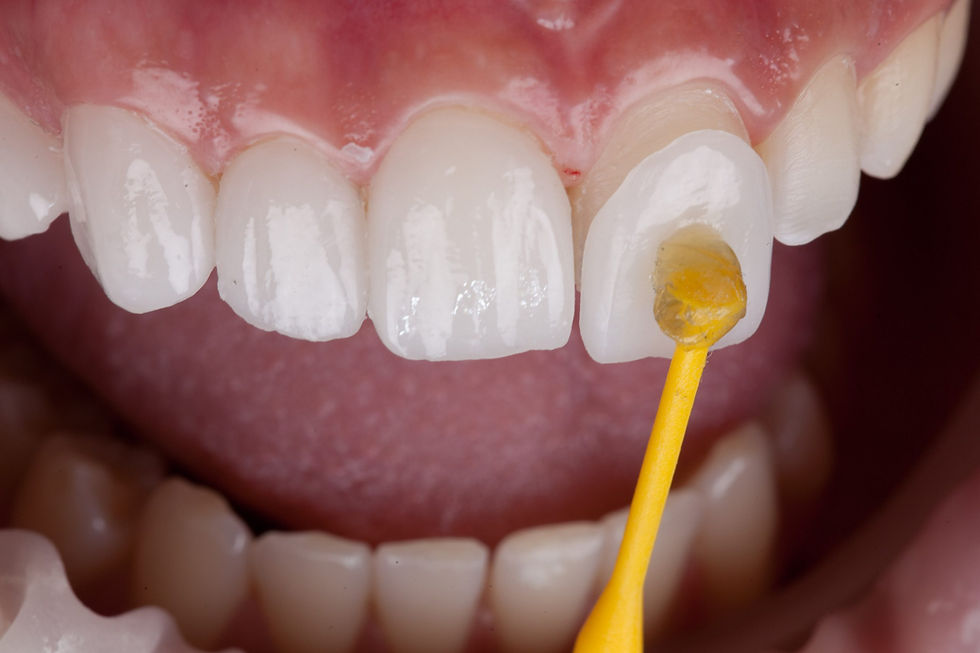
5. Try-in and final placement
Before final bonding, the dentist checks the fit, color, shape and relationship between the veneers and surrounding teeth.
Adjustments may be needed before the restorations are permanently bonded.
Once the clinical requirements are met, the veneers are bonded using appropriate adhesive protocols. The bite and contact between the teeth are also checked.
Emax or zirconia: which material is better for natural veneers?
Emax and zirconia are ceramic materials used in restorative dentistry, but they have different optical and mechanical characteristics. The appropriate choice depends on the type of restoration, the tooth being treated and the clinical situation.
Emax is a lithium disilicate glass ceramic known for its optical properties and ability to reproduce a natural appearance. It is frequently considered for aesthetic restorations, including veneers, when the clinical conditions are suitable.
Zirconia is a high-strength ceramic available in different formulations and levels of translucency. It is widely used for crowns and other restorations that require particular mechanical properties.
Characteristic | Emax | Zirconia |
Material | Lithium disilicate glass ceramic | Zirconium dioxide ceramic |
Optical properties | Often offers excellent translucency | Varies according to formulation |
Common applications | Veneers, partial restorations and crowns | Crowns, bridges and selected restorations |
Mechanical characteristics | Strong ceramic with appropriate indications | High strength, depending on formulation |
Selection | Depends on aesthetic and functional requirements | Depends on restoration design and mechanical demands |
There is no universal winner. The dentist should select the material based on the restoration's purpose, available tooth structure, bite forces, aesthetic requirements and bonding conditions.
A material should never be chosen simply because it is more expensive or has a particular reputation.
How can I make sure my veneers will look natural?
The best way to support a natural result is to participate in the planning process and make sure the clinical team understands what you want to change and what you want to preserve.
Patients should discuss their preferences openly, including whether they want a brighter smile, more uniform teeth or subtle improvements that retain some of their existing characteristics.
A useful discussion includes:
Whether the desired shade is compatible with the patient's complexion and natural features.
Whether the proposed tooth length is appropriate for lip movement.
Whether the shape complements the existing facial proportions.
Whether the gum line needs attention.
Whether the final restorations will look appropriate under different lighting conditions.
It is also reasonable to ask how the dentist will assess the appearance before permanent bonding.
A natural smile does not need to be perfectly symmetrical. Small variations in tooth shape and surface characteristics can contribute to a more individual appearance.
To see real smile transformations and the environment at our dental clinic in São Paulo, visit the BCX Odontologia Instagram.
What if I feel anxious about dental treatment in Brazil?
Dental anxiety should be discussed before treatment begins. A patient should feel comfortable asking questions, understanding each procedure and communicating when they need a pause.
For international patients, uncertainty can be greater because they are receiving care in another country and may be unfamiliar with the clinic, the team and the treatment process.
At BCX Odontologia, the patient experience includes attention to comfort, clear explanations and individual needs. Conscious sedation may also be considered for procedures where it is clinically indicated.
During in-person appointments, communication with the dentist is supported by real-time translation technology. The BCX patient concierge provides English-language support before, during and after treatment.
The treatment plan, expected appointments, consent process and payment arrangements should be explained clearly before treatment proceeds.
If a flight is delayed or an appointment needs to change, the patient concierge can help communicate with the team and discuss scheduling options. Treatment adjustments must still respect clinical requirements and the availability of the dental team.
AFTER YOU RETURN HOME
What happens after getting veneers in Brazil?
After the veneers are placed, the patient receives instructions about oral hygiene, eating habits, possible sensitivity and follow-up care.
Some patients experience temporary sensitivity after tooth preparation or bonding. The intensity and duration depend on the procedure and the individual's dental condition.
Patients should contact the clinic if they experience persistent pain, a veneer that feels loose, a change in the bite or any unexpected symptoms.
Normal aftercare generally includes:
Brushing twice daily with a suitable toothbrush.
Cleaning between the teeth every day.
Attending regular dental examinations.
Avoiding using the teeth to open packaging or bite hard objects.
Wearing a protective night guard if clinically indicated.
Following instructions for any temporary restorations.
Veneers do not prevent tooth decay or gum disease. The natural tooth underneath and the surrounding gum tissue still require regular care.
How long do porcelain veneers last?
Porcelain veneers can last for many years, but their lifespan varies according to the material, bonding quality, bite, oral hygiene and individual habits.
Clinical studies have reported favorable long-term survival rates for porcelain laminate veneers, although outcomes vary depending on the study population, restoration design and follow-up period.
There is no guaranteed lifespan for an individual restoration.
Factors that can affect longevity include:
Bruxism and excessive clenching.
Accidental trauma.
Poor oral hygiene.
Gum recession.
Existing tooth structure and bonding conditions.
Frequent exposure to excessive mechanical forces.
Regular dental examinations allow the dentist to monitor the veneers, surrounding tissues and bite.
Can my dentist back home follow my veneers after treatment in Brazil?
Yes. Your dentist in your home country can provide routine examinations and monitor the condition of your veneers after you return home.
Before travelling, it is helpful to discuss the maintenance process and ask the clinic for relevant treatment records.
These may include the type of ceramic used, the teeth treated, available clinical photographs and relevant information about the restorations.
A local dentist can monitor gum health, check the bite and identify potential issues. If a repair or replacement becomes necessary, communication between the treating clinic in Brazil and the local dentist may help coordinate care.
At BCX Odontologia, international patient support continues after treatment. The patient concierge remains available in English for communication and follow-up questions, from the first contact through aftercare.
What should I look for when choosing a premium dental clinic in Brazil?
A trustworthy dental clinic should provide transparent clinical information, a clearly identified treatment team and a structured process for planning and follow-up.
Before committing to veneers abroad, look for:
Professional credentials: Verify the dentist's registration with the Brazilian Federal Council of Dentistry or the relevant regional council.
Clinical planning: Ask how the clinic assesses tooth structure, gum health and bite before recommending veneers.
Material transparency: Request information about the ceramic and laboratory process.
Conservative decision-making: A responsible dentist should explain when veneers are not appropriate.
Treatment documentation: Ask whether you will receive photographs and records of the treatment.
Communication: Confirm who will support you in English and how communication with the dentist will work.
Aftercare: Understand who to contact if you experience sensitivity, discomfort or a restoration problem after returning home.
At BCX Odontologia, the treatment model is designed around a low daily patient volume, with approximately four patients per day. This allows the team to dedicate time to each patient's treatment and experience.
Located in the Brooklin neighborhood in the South Zone of São Paulo, the clinic is in front of the Vila Cordeiro monorail station, close to Avenida Jornalista Roberto Marinho, and offers valet parking in the building.
São Paulo also provides convenient international access through Guarulhos International Airport, making it a practical destination for patients travelling to Brazil for dental treatment.
Conclusion
Natural veneers in Brazil can be an option for international patients seeking personalized aesthetic dentistry, provided the treatment is planned around their dental health, facial features and functional needs. Choosing the right dentist, understanding the materials and allowing sufficient time for clinical appointments are essential parts of the decision. At BCX Odontologia in São Paulo, international patients receive English-language concierge support throughout the treatment journey, including communication before travel and aftercare.
Written by
Dr. Beatriz Kawamoto
CRO-SP 133.746
DDS, University of São Paulo (USP)
Studied Dentistry in Japan, Okayama University
MBA in Management and Innovation, USP DNA
Founder of BCX Odontologia, São Paulo, Brazil
Frequently Asked Questions About Natural Veneers in Brazil
1. Are natural-looking porcelain veneers available in Brazil?
Yes. Dental clinics in Brazil offer porcelain veneers using ceramic materials such as lithium disilicate. Natural-looking results depend on the dentist's planning, the laboratory's technical work, tooth preparation, material selection and the patient's individual anatomy. When choosing a clinic in Brazil, ask to see documented cases and understand how the proposed design will be adapted to your smile.
2. Is it safe to get porcelain veneers in Brazil?
Porcelain veneers can be performed safely in Brazil when treatment is provided by a properly registered dentist using appropriate clinical protocols and materials. Before travelling, verify the dentist's professional registration, ask about the treatment plan and understand the potential risks. The decision should be based on clinical qualifications, transparent communication and aftercare arrangements rather than location alone.
3. How many days do I need in São Paulo for veneers?
The required stay in São Paulo depends on the number of veneers, the complexity of the treatment, laboratory manufacturing time and whether additional procedures are necessary. Some cases can be organized within a shorter visit, while others require more appointments. Ask the clinic for a preliminary schedule before booking flights and allow flexibility for adjustments.
4. What is the difference between Emax and zirconia veneers?
Emax is a lithium disilicate ceramic known for its optical properties and frequent use in aesthetic restorations. Zirconia is a high-strength ceramic available in different formulations and is commonly used for crowns and other restorations. The best choice depends on the tooth, bite, remaining structure and aesthetic requirements. Not every ceramic is suitable for every type of veneer.
5. Are no-prep veneers better than traditional porcelain veneers?
No-preparation veneers are not automatically better. They may be suitable when the natural teeth already have an appropriate position and shape, allowing ceramic to be added without creating excessive thickness. Other patients need limited enamel preparation to achieve appropriate contours and proportions. The dentist should determine the most conservative approach that produces a healthy and functional restoration.
6. How long do porcelain veneers last?
Porcelain veneers can last many years, but their lifespan varies according to bonding quality, oral hygiene, bite forces, material and individual habits. Bruxism, accidental trauma and gum changes can affect their longevity. Regular dental examinations and appropriate maintenance are essential. No responsible dentist can guarantee that a particular set of veneers will last for a specific number of years.
7. Can I get veneers in Brazil if I have bruxism?
Possibly, but bruxism requires careful consideration before veneer treatment. Clenching and grinding can increase stress on ceramic restorations and raise the risk of chipping or fractures. The dentist should examine the bite, tooth wear and available enamel before recommending veneers. A protective night guard may be indicated as part of the long-term maintenance plan.
8. Can I consult a dental clinic in Brazil before travelling?
Yes. BCX Odontologia offers online consultations to help international patients discuss their concerns, share available dental records and understand preliminary treatment possibilities before travelling. However, photographs and online conversations cannot replace an in-person clinical examination. The final diagnosis and treatment plan must be confirmed after the dentist examines the teeth and surrounding structures.
9. Will someone at BCX Odontologia communicate with me in English?
Yes. International patients are supported in English by the BCX patient concierge before, during and after treatment, from the first contact to aftercare. During in-person appointments, communication with the dentist is supported by real-time translation technology. This arrangement helps international patients understand the treatment process and communicate their questions throughout their visit.
10. Can my dentist in the United States, Canada or Europe monitor my veneers after treatment in Brazil?
Yes. A dentist in your home country can perform routine examinations and monitor the veneers, surrounding gum tissue and bite. It is helpful to obtain treatment records, including information about the ceramic material and the teeth treated. BCX Odontologia's patient concierge remains available in English after treatment to support communication and follow-up questions.
11. How do I choose a reputable clinic for natural veneers in São Paulo?
Start by verifying the dentist's registration with the regional dental council, reviewing documented clinical cases and asking how the clinic plans tooth preparation, material selection and final bonding. Also confirm the availability of English-language patient support, the expected treatment schedule and arrangements for aftercare. A reputable clinic should explain limitations and alternatives rather than promise a particular aesthetic result.
12. Can veneers be completed in one trip to Brazil?
Some veneer treatments can be completed during one planned trip, but this cannot be guaranteed for every patient. The number of teeth, clinical findings, laboratory time, additional procedures and necessary adjustments all influence the schedule. An online consultation can help establish preliminary expectations, but the final timeline should be confirmed after the in-person examination.
Contact BCX Odontologia
If you would like to understand your options for natural veneers or speak with our team about planning dental treatment in Brazil, contact BCX Odontologia on WhatsApp:
To see real results and our day-to-day in São Paulo, follow BCX Odontologia on Instagram:


Comentários