.png)


How Long Do Veneers Last? What International Patients Should Know

When patients ask how long veneers last, they are rarely asking only about years.
They are asking about security. About permanence. About whether the decision they are about to make will still feel right a decade from now.

For international patients considering veneers in Brazil, especially in São Paulo, the question carries additional weight. You may be traveling, investing time and coordinating logistics. You want to know if the result will truly endure.
The honest answer is this: veneers can last many years, but longevity depends on materials, technique, and how you care for them.
This article explains what international patients should know before committing to treatment.
👉 For more oral health tips, real stories of overcoming fear of the dentist, and a closer look at our daily routine, follow BCX Odontologia on Instagram:https://www.instagram.com/bcxodontologia/
How Long Do Veneers Last in Real Clinical Terms?
Porcelain veneers typically last between 10 and 15 years, and in many cases even longer.
Composite veneers usually last between 5 and 8 years, depending on maintenance and lifestyle habits.
However, lifespan is not determined by the calendar alone. It is influenced by:
Quality of the ceramic material
Precision of bonding technique
Bite alignment
Oral hygiene
Presence of teeth grinding
Regular follow-up care
In São Paulo, particularly in high-level aesthetic clinics in Brooklin and zona sul, digital planning and precise adhesive protocols significantly increase longevity.
Durability begins with planning.
Before Treatment: What Determines Longevity
International patients often focus on price, but longevity is directly related to structure and preparation.
Before veneer placement, a responsible cosmetic dentist evaluates:
Gum health
Bite function
Existing restorations
Tooth wear patterns
Bone support
If veneers are placed without addressing underlying issues such as bruxism or periodontal inflammation, the risk of premature failure increases.
For patients with anxiety odontológica or fear of the dentist, understanding this planning phase reduces emotional tension. A methodical approach signals safety.
Longevity is not accidental. It is engineered.
During Placement: Why Technique Matters
The bonding process is critical.
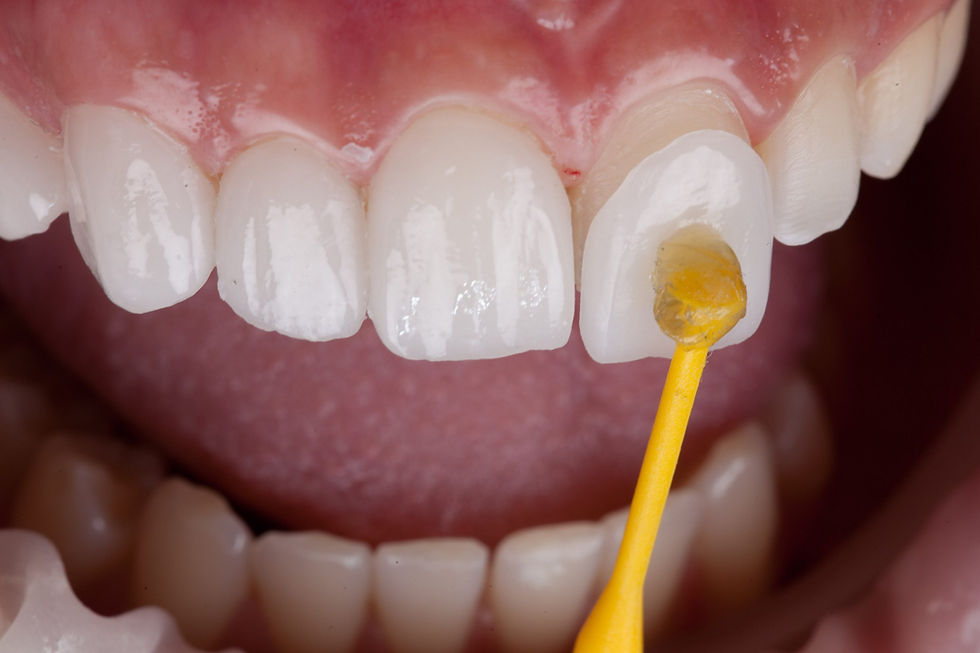
Porcelain veneers are attached to enamel using advanced adhesive systems. The success of this bond depends on:
Proper isolation
Accurate etching and conditioning
Controlled cement application
Precise bite adjustment
Small technical errors can compromise years of performance.
In Brazil, aesthetic dentistry has developed strong expertise in ceramic restorations. São Paulo, as a global capital of cosmetic dentistry, is known for combining digital smile design with laboratory precision.
For international patients, this combination of training and technology supports long-term results.
After Veneers: Maintenance Defines the Timeline
The first days after veneer placement are usually calm. Mild sensitivity may occur, but recovery is fast.
The real determinant of how long veneers last is daily behavior.
To maximize durability:
Brush with a non-abrasive toothpaste
Floss daily
Avoid biting hard objects
Wear a night guard if recommended
Schedule regular dental check-ups
Porcelain itself does not stain easily. However, surrounding teeth can change color over time, which may affect overall aesthetics.
International patients returning home should maintain routine care locally and remain in contact with the original clinic for guidance if needed.
👉 For more oral health tips, real stories of overcoming fear of the dentist, and a closer look at our daily routine, follow BCX Odontologia on Instagram:https://www.instagram.com/bcxodontologia/

Can Veneers Fall Off or Break?
Veneers are durable, but not indestructible.
Possible complications include:
Debonding
Chipping from trauma
Fracture due to untreated bruxism
Gum recession exposing margins
These situations are uncommon when treatment is well planned and maintained properly.
For patients with odontofobia, it is important to understand that veneers do not require constant replacement. When cared for appropriately, they function reliably for many years.
Do Veneers Need to Be Replaced After 10 Years?
Not necessarily.
Ten to fifteen years is an average range, not an expiration date.
Some patients replace veneers after a decade for aesthetic updates rather than structural failure. Others maintain the same restorations for much longer.
Replacement depends on:
Edge wear
Gum changes
Personal aesthetic preferences
Material integrity
The key is periodic evaluation.
Is Brazil a Safe Place for Long-Lasting Veneers?
Brazil is internationally recognized for aesthetic dentistry, and São Paulo is one of its main centers.
Strong academic training, specialization programs and digital technology contribute to consistent results.
For international patients, durability is linked not only to location, but to individual professional qualification. Verifying credentials and reviewing documented cases remain essential steps.
Longevity is built on precision, not on geography alone.
FAQ: How Long Do Veneers Last?
How long do porcelain veneers last?
On average 10 to 15 years, and often longer with proper care.
Do composite veneers last as long as porcelain?
No. Composite veneers typically have a shorter lifespan, around 5 to 8 years.
Can veneers stain over time?
Porcelain is highly stain-resistant, but surrounding natural teeth may change color.
Do veneers require special maintenance?
They require regular oral hygiene and dental check-ups, similar to natural teeth.
What shortens the lifespan of veneers?
Teeth grinding, poor oral hygiene, untreated gum disease and trauma can reduce longevity.
👉 For more oral health tips, real stories of overcoming fear of the dentist, and a closer look at our daily routine, follow BCX Odontologia on Instagram:https://www.instagram.com/bcxodontologia/
If you would like more information or prefer to speak directly with our team, contact us on WhatsApp:https://shre.ink/5Dc7
Written by:
Dra. Beatriz Kawamoto
CROSP: 133.746
Dental Surgeon graduated from USP
Studied Dentistry in Japan – Okayama University
MBA in Management and Innovation – DNA USP


Comentários