.png)


Dental Crowns in Brazil: E.max vs Zirconia Explained for American Patients

Atualizado: 9 de mar.
When patients begin researching dental crowns, especially when considering treatment abroad, one question often comes up early in the process.
Should I choose E.max or zirconia?
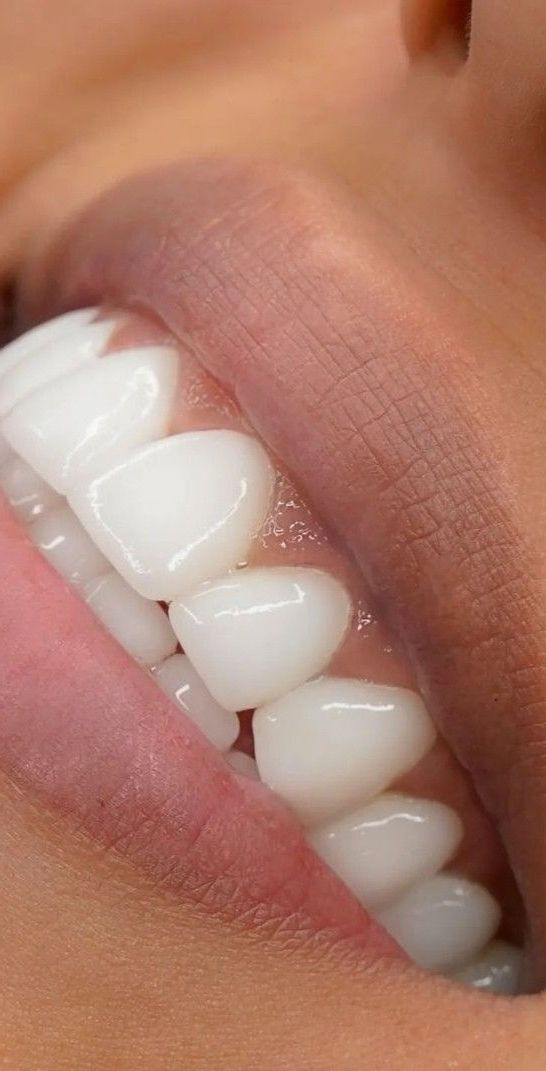
For American patients exploring dental care in Brazil, the question can feel even more important. If you are traveling internationally for treatment, you want to feel confident that the material chosen for your crown will be durable, natural looking, and appropriate for your specific situation.
The reality is that both E.max and zirconia crowns are widely used in modern dentistry. Each material has advantages, and the best choice depends on factors such as tooth position, bite strength, aesthetic expectations, and the condition of the underlying tooth.
In cities like São Paulo, where dentistry is highly advanced and supported by modern dental laboratories, both materials are used regularly in restorative and cosmetic treatments.
This guide explains the differences between E.max and zirconia crowns in clear terms, helping American patients understand how dentists evaluate these materials and how the decision is made responsibly.
👉 To see more oral health tips, real stories of overcoming dental fear, and our day to day at BCX Odontologia, follow our Instagram:https://www.instagram.com/bcxodontologia/
Before Your Appointment
Choosing the right crown material is part of the diagnostic and treatment planning process.
A responsible dentist evaluates several factors before recommending E.max or zirconia.
Understanding What a Dental Crown Does
A dental crown is a custom restoration that covers the visible portion of a damaged or weakened tooth.
Crowns are commonly used when:
a tooth has undergone root canal treatment
a tooth has a large fracture or extensive decay
previous restorations have weakened the tooth structure
aesthetic improvement is needed
The crown restores the tooth’s strength, shape, and function so that patients can chew comfortably again.
What Is an E.max Crown?
E.max crowns are made from lithium disilicate ceramic, a material known for its aesthetic qualities.
This ceramic allows light to pass through the restoration in a way that closely resembles natural tooth enamel. Because of this translucency, E.max is frequently used in visible areas of the smile.
E.max crowns are commonly recommended for:
front teeth
premolars
veneers and aesthetic restorations
When properly designed and maintained, E.max crowns can provide excellent durability while maintaining a natural appearance.
What Is a Zirconia Crown?
Zirconia crowns are made from zirconium dioxide, a very strong ceramic material.
Zirconia is known for its high resistance to fracture and is often used in areas of the mouth that experience strong chewing forces.
Dentists frequently recommend zirconia crowns for:
molars
teeth with heavy bite pressure
patients who grind their teeth
Modern zirconia materials have improved significantly in aesthetics, allowing dentists to balance durability with a natural appearance.
Planning Treatment in São Paulo
Patients traveling to São Paulo, Brazil for dental crowns often complete treatment within approximately one week.
The typical sequence includes:
consultation and diagnosis
tooth preparation and temporary crown placement
fabrication in a dental laboratory
final crown placement and adjustment
Clinics located in areas such as Brooklin in the South Zone of São Paulo often work closely with dental laboratories to coordinate treatment timelines for international patients.

Communicating With an English Speaking Dentist
For many Americans considering dental tourism, clear communication is essential.
Clinics experienced with international patients usually provide consultations with an English speaking dentist in São Paulo, allowing patients to discuss material options and understand the reasoning behind the recommended crown type.
👉 To see more oral health tips, real stories of overcoming dental fear, and our day to day at BCX Odontologia, follow our Instagram:https://www.instagram.com/bcxodontologia/
During Your Appointment
Once treatment begins, several clinical steps ensure that the crown fits precisely and functions properly.
Digital Scanning and Crown Design
Modern dentistry often uses digital scanners to capture precise images of the prepared tooth.
These digital files are sent to a dental laboratory where technicians design the crown using computer aided technology. This process helps achieve accurate fit, proper contact with neighboring teeth, and natural anatomical shape.
Both E.max and zirconia crowns can be fabricated using these advanced digital techniques.
Temporary Crowns During Fabrication
After tooth preparation, a temporary crown is placed to protect the tooth while the final restoration is being fabricated.
Temporary crowns also allow the patient to evaluate comfort and function before the final crown is delivered.
If adjustments are needed, they can be incorporated into the design of the permanent restoration.
Final Placement and Adjustment
During the final appointment, the dentist carefully evaluates several factors before cementing the crown.
These include:
marginal fit against the tooth
contact with neighboring teeth
bite alignment
aesthetic integration with surrounding teeth
Minor adjustments are often made to ensure that the crown feels natural when chewing and speaking.

Maintaining Comfort During Treatment
Some patients traveling for dental treatment also experience dental anxiety.
Clinics that prioritize patient comfort may offer longer consultations, detailed explanations, and in some cases conscious sedation to help patients remain relaxed during procedures.
After Your Appointment
Once the crown is placed, daily habits and regular dental care play a major role in long term success.
Oral Hygiene and Crown Longevity
Dental crowns require the same care as natural teeth.
Patients should maintain:
daily brushing
flossing around the crown margins
regular professional cleanings
Proper hygiene helps prevent decay in the underlying tooth structure.
Protecting Crowns From Excessive Force
Certain habits can shorten the lifespan of crowns.
Examples include:
grinding or clenching teeth
chewing ice or hard objects
using teeth as tools
Patients who grind their teeth at night may benefit from wearing a custom night guard.
Follow Up Care After Returning Home
Patients traveling from the United States often continue routine dental care with their local dentist.
Clinics in Brazil typically provide documentation including:
treatment summaries
radiographs
material information
This documentation helps ensure continuity of care after the patient returns home.
A Balanced Perspective on Crown Materials
Both E.max and zirconia crowns are reliable materials when used appropriately.
The best choice depends on:
the location of the tooth
bite forces
aesthetic expectations
the patient’s oral habits
Rather than choosing based on material name alone, patients benefit from working with a dentist who evaluates the entire clinical situation.
👉 To see more oral health tips, real stories of overcoming dental fear, and our day to day at BCX Odontologia, follow our Instagram:https://www.instagram.com/bcxodontologia/
If you would like more information or to speak with our team on WhatsApp:https://shre.ink/ASio
FAQ
Which is better, E.max or zirconia crowns?
Neither material is universally better. E.max is often chosen for its natural appearance, especially in front teeth, while zirconia is known for its strength and durability in back teeth.
How long do E.max crowns last?
With proper care, E.max crowns can last many years. Longevity depends on factors such as oral hygiene, bite forces, and the condition of the underlying tooth.
Are zirconia crowns stronger than E.max?
Zirconia crowns generally have higher fracture resistance, making them suitable for molars or patients with strong bite forces.
Do zirconia crowns look natural?
Modern zirconia materials can achieve very natural aesthetics, although E.max often provides greater translucency for highly visible teeth.
Can I get crowns in Brazil safely?
Yes. When performed by qualified professionals in reputable clinics, dental crowns in Brazil are safe and commonly performed procedures.
How long should I stay in São Paulo for dental crowns?
Most crown treatments require approximately five to seven days to allow time for preparation, laboratory fabrication, and final placement.
Will my dentist in the United States be able to maintain my crown?
Yes. Routine checkups and maintenance can usually be performed by your local dentist after treatment.
Do crowns require special care?
No special care is required beyond good oral hygiene and regular dental visits.
Can crowns break?
Although modern ceramics are strong, crowns can fracture under excessive pressure or trauma. Protecting teeth from grinding and avoiding hard objects helps reduce this risk.
What happens if a crown fails?
If a crown becomes loose, fractured, or worn over time, a dentist can evaluate whether it should be repaired or replaced.
Written by:
Dr. Beatriz Kawamoto
CROSP: 133.746
DDS, University of São Paulo (USP)
Studied Dentistry in Japan, Okayama University
MBA in Management and Innovation, USP DNA


Comentários